
Honda Accord Mk5 Saloon Europe (CC7/CE7/CE8/CE9)
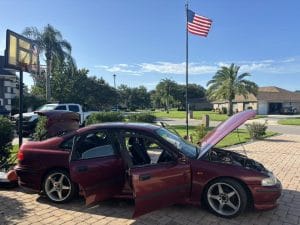
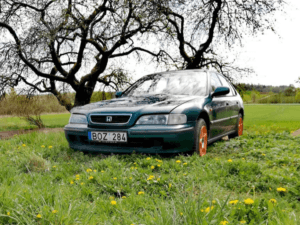
1994 Honda Accord CC7 2.0i LS (Imported to USA)
1995 Honda Accord CC7 2.0i LS Auto
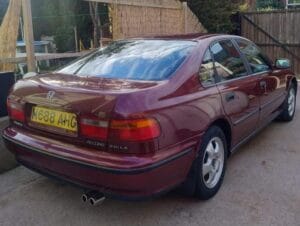
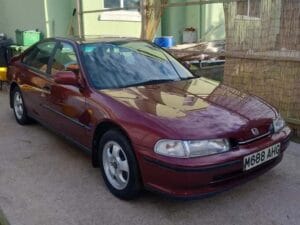
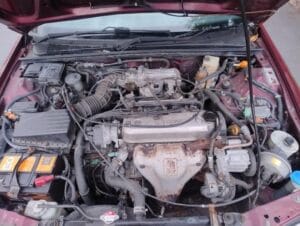
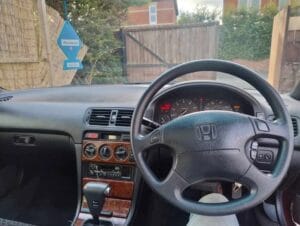
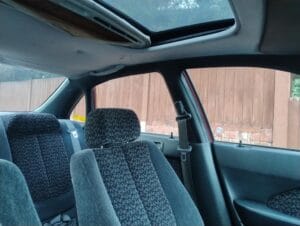
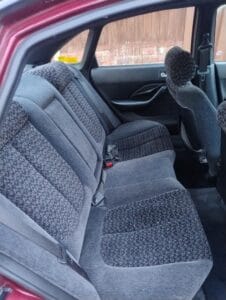
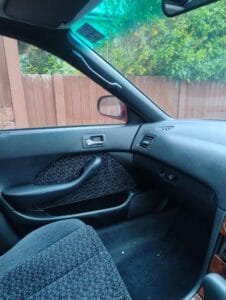
1994 Honda Accord CC7 2.0i LS
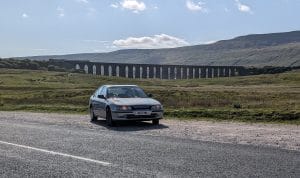
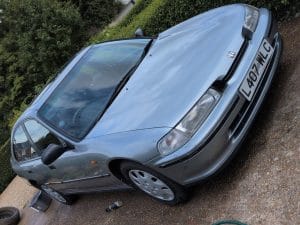
Honda Accord CC7 2.0i
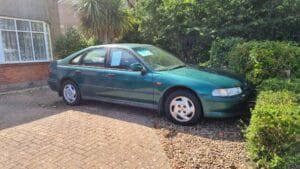
1994 Honda Accord CC7 2.0i ES
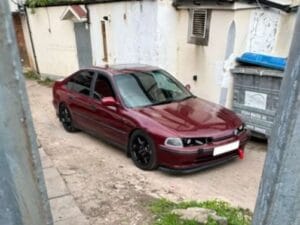
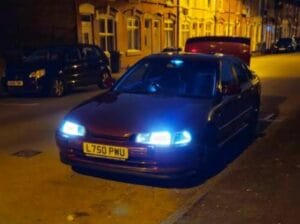
Honda Accord CC7 2.0i
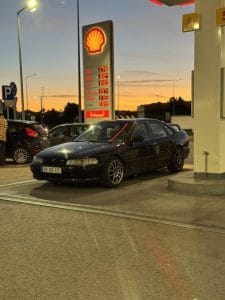
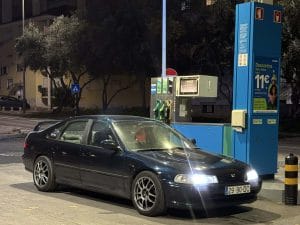
1995 Honda Accord CC7 2.0i ES
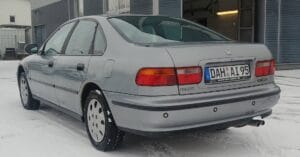
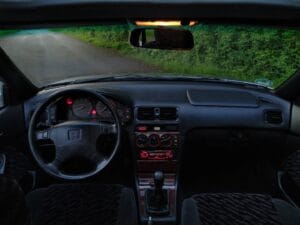
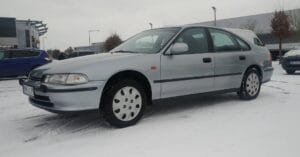
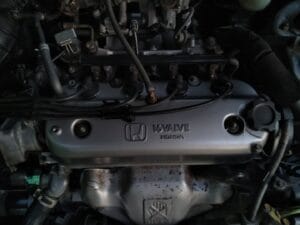
1996 Honda Accord CE9 2.2i VTEC
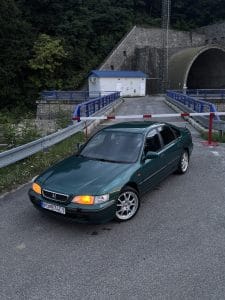
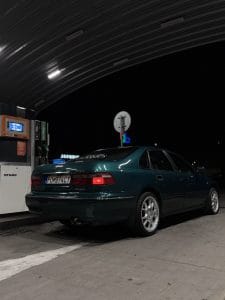
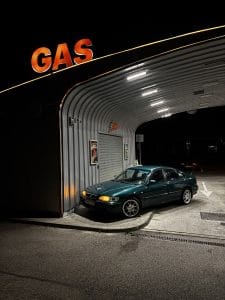
Honda Accord CC7 2.0i LS
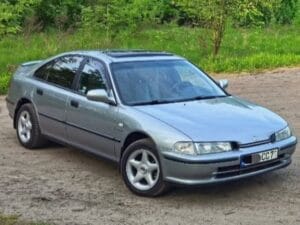
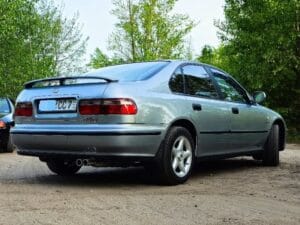
1994 Honda Accord CC7
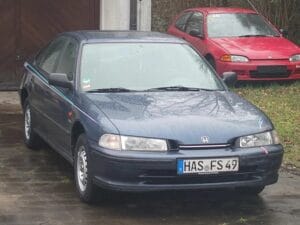
Honda Accord CC7
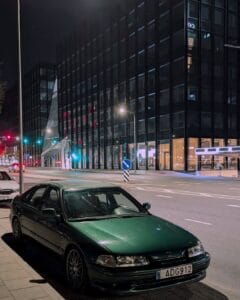
Honda Accord CC7
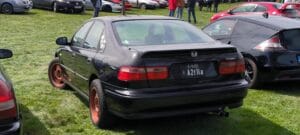
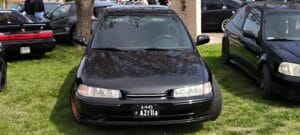
Honda Accord CC7
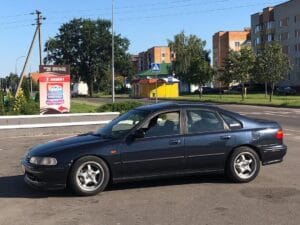
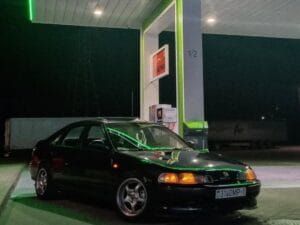
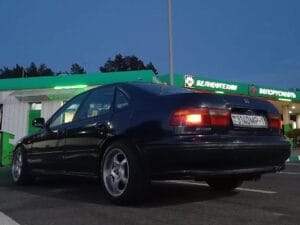
Honda Accord CC7 1.8i ES
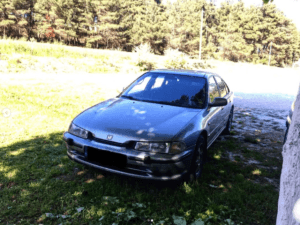
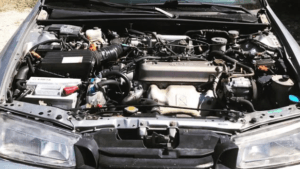
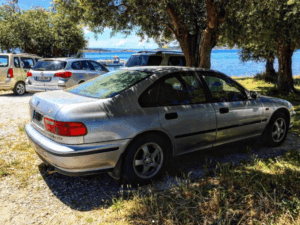
Honda Accord CC7 2.0i
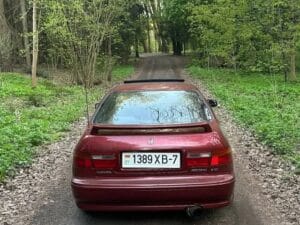
Honda Accord CC7 2.0i LS
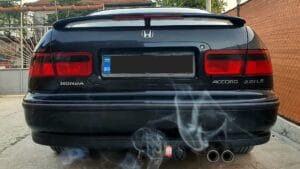
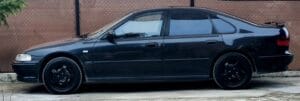
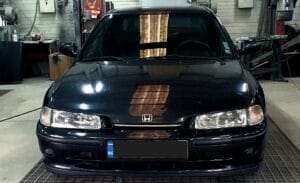
Honda Accord CE
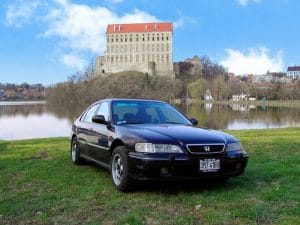
Honda Accord CE9 2.2i VTEC
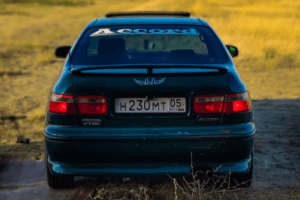
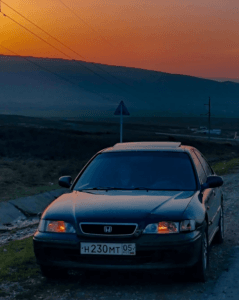
‘FIRST MAN, THEN MACHINE’
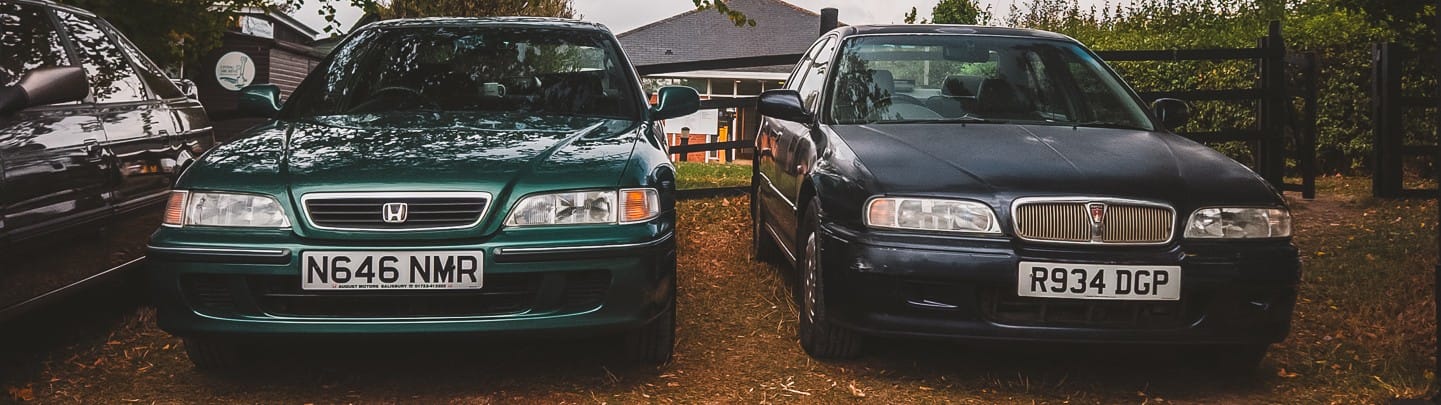
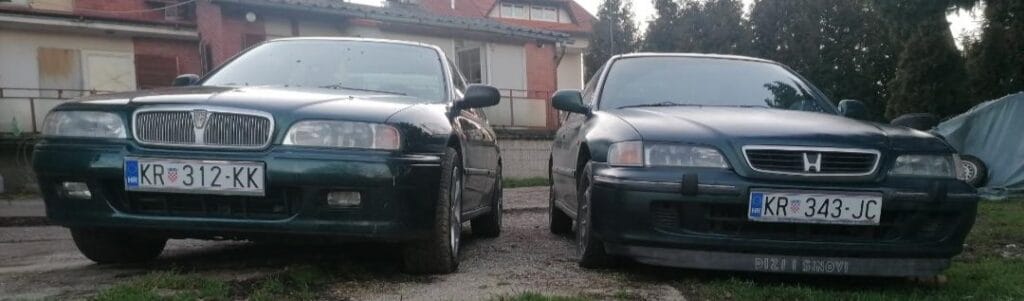
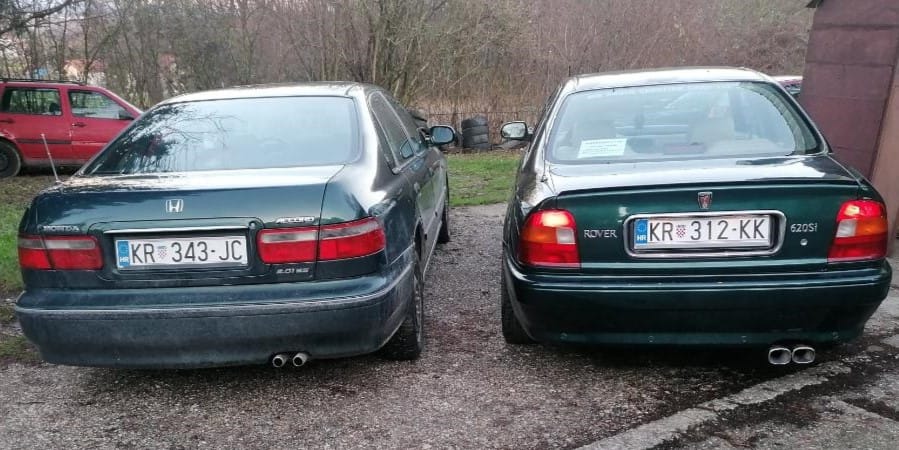
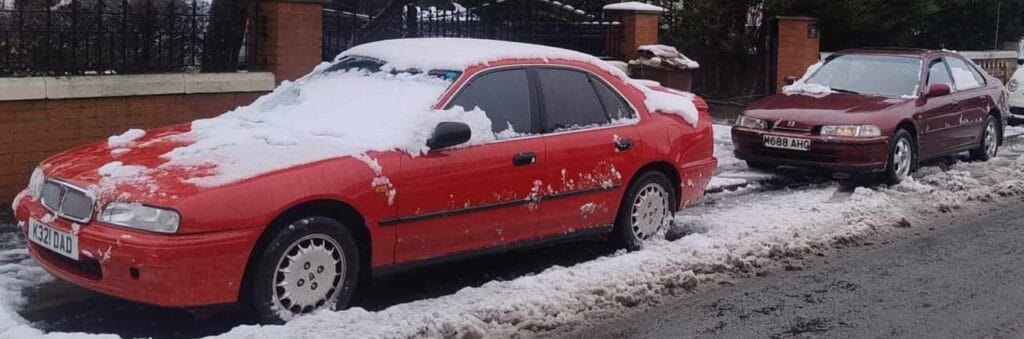 Rover 620SLi & Honda Accord CC7 2.0i LS Auto
Honda felt European buyers wanted different things to Americans, so they opted to design an Accord saloon specifically for Europe for its 5th generation, but felt it wasn’t economically viable to design a whole new estate and coupe as well, deciding the American versions would be imported for these less lucrative body styles.
Due to financial difficulties Rover needed another collaboration with Honda to replace their ageing Montego. A deal between Honda and Rover was finalised in June 1989 which would give rise to the 5th gen Honda Accord CC7 & Rover 600, but Honda had full control of the technical development and made further stipulations: the Rover 600 could not be sold in the USA, naturally aspirated petrol power units had to be Honda, and Rover were only allowed to change the external design. The Accord ultimately ended up sharing their interior, front doors, rear doors below window level, windscreen and roof with the Rover 600. Unlike the reciprocal manufacturing arrangement that the companies formed for the Honda Legend & Rover 800, the CC7 was exclusively assembled at Honda’s Swindon plant while the Rover 600s were built at Cowley.
The CC7 Accord shares most of its design with the Japanese market Honda Ascot Innova, a mid-size luxury car sold through Honda Primo dealers, and they share parts due to Honda cutting costs during development. Unfortunately for Accord owners, it lost the optional 4-wheel steering and frameless doors when it was turned into the Accord for the European market. The window controls were also moved from the door to the centre to match what Rover had. Some Accords also received the same wood effect centre console panels as the Rover (but unlike the Rover there was none on the dashboard or doors). Honda’s signature 4-wheel double-wishbone suspension was used. Top spec accords did however include one feature the Rover doesn’t: “lazy locking” by putting the key in the driver’s door, locking it and then holding the key there, all the windows and sunroof will close.
The 1993 launch (CC7) Honda engine range comprised just the 16V 2.0i F20Z, joined by the 16V 2.3i H23A3 a few months later. The CC7 model range included 2.0i, 2.0i S, 2.0i LS, 2.0i ES and the top spec 2.3i SR. In 1995 the 16V 1.8i F18A3 engine was added for the new 1.8i S & 1.8 ES models. Automatic transmission was available on the LS, ES & SR. All CC7 Accords featured electric windows and tinted glass. ABS and keyless entry were standard on the 2.0i, LS, ES and SR. Models from the LS upwards had a driver airbag and the ES & SR also had a passenger airbag.
In 1996 the Accord was facelifted and was now known as CE7, CE8 or CE9 depending on engine size. Facelift cars felt more premium than sporty; the front-end redesign looked more like the Rover 600 than the CC7. Facelifted Accords featured chrome brightwork like the 600. The facelift also introduced cupholders in the doors and a centre armrest which were also added to the 600 in its 1996 facelift.
The biggest changes in the 1996 facelift were under the bonnet. Although the main power and drivetrain components were unchanged many of the ancillary components were, making it necessary to determine that the correct item is purchased when replacing parts. Some of the items that were new: power steering pump, alternator, distributor, master cylinder and servo, fuel filter, starter motor, alarm and immobiliser. On the Accord the 2.3i was replaced with the 16V 2.2i VTEC F22Z2 (CE9), while the 1.8i F18A3 (CE7) and 2.0i F20Z (CE8) were maintained.
The CE7-9 model range included 1.8i, 1.8i S, 1.8i LS, 1.8i ES (CE7), 2.0i, 2.0i S, 2.0i LS, 2.0i ES (CE8), 2.2i VTEC (CE9) and 2.0i TD (which shared interior trim and most equipment with the LS model). The Rover L-series 20T2N diesel engine from the Rover 620 diesel models was used in the 2.0i TD Accord, although survivors are now extremely rare. Keyless entry and driver and passenger airbags became standard on all models with the facelift. ABS and power mirrors became standard on the S model and above. Models from LS upwards featured heated body-coloured mirrors, wood effect trim and an illuminated ignition switch, as did the 2.0i TD. “Lazy locking” and aircon were included on the LS & above. Leather interior was standard on the CE9, and Eight-way power driver’s seat adjustment, cruise control, headlamp washers, leather steering wheel, tweeters, and alloy wheels were standard on the ES & 2.2i VTEC. Automatic transmission was available on the CE8 & CE9 models. Towards the end of production, the Special Edition (SE) model was added with a mix of features.
A rear spoiler (standard on CE9), body styling kit and front fog lights were available as optional extras for all models. The rear spoiler had an integrated LED brake lamp. The body styling kit included front, rear and side skirts giving a sportier appearance.
The paint colours available on the CE7/CE8/CE9 were:
– Orleans Blue Pearl: all models
– Baikal Green Pearl: all models
– Serene Silver Metallic: all models
– Sicilian Red Pearl: 2.0i LS, 2.0i ES & 2.2i VTEC
– Pirates Black Pearl: 2.0i S, 2.0i LS, 2.0i ES & 2.2i VTEC
– Carmen Red: 1.8i, 2.0i S & 2.0i TD.
-Milos White: 1.8i, 2.0i S, 2.0i LS, 2.0i ES & 2.0i TD
The Accords were typically a far higher spec than their Rover counterparts, as Honda didn’t understand the fleet market in the way Rover did, so the Accords come with many more options as standard. Almost all Accords came with a sunroof, the majority have alloy wheels, and a decent amount have leather interior.
In 1998 the CE7-9 ceased production with the 6th Generation Accord entering the market. Its Rover 600 sister carried on a little longer until its replacement by the Rover 75 in 1999.
The Rover 600 & 800 Owners’ Club officially supports the European Mk5 Honda Accord Saloon (CC7/CE7/CE8/CE9). If you’re not already a member of the Club, please consider joining to help us secure the future of these cars by enabling us to fund remanufacture of crucial and MOT failure parts with prohibitively high development costs/minimum order quantities. Any owners & enthusiasts of these cars are welcome to join the Club (click here).
If any of the information on this page is incorrect, or if you have any information or photos which could improve this page, please contact R600800web@outlook.com
Rover 623GSi & Honda Accord CE8 2.0i LS
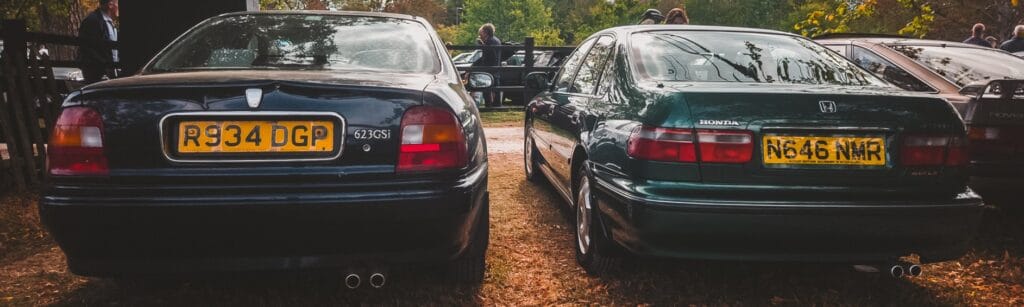
Rover 620Si & Honda Accord CE8 2.0i ES
Honda Accord CE7 1.8i LS
(@mimi_sleeperedsun)
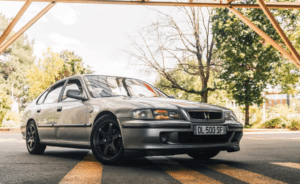
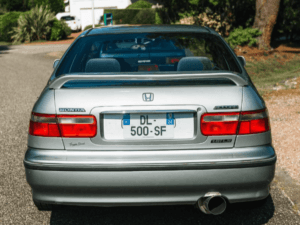
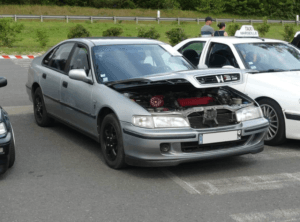
1996 Honda Accord CE8 2.0i
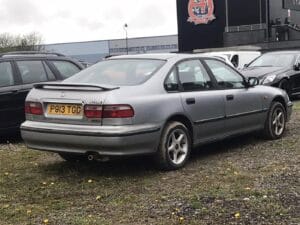
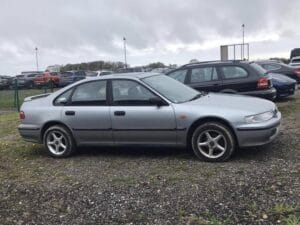
Honda Accord CE8 2.0i LS
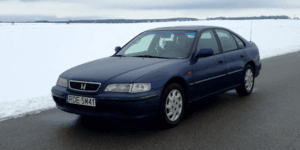
1998 Honda Accord CE8 2.0i SE
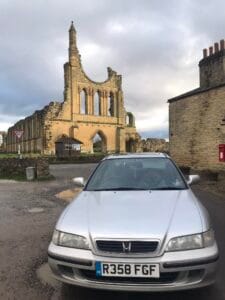
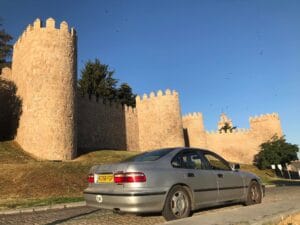
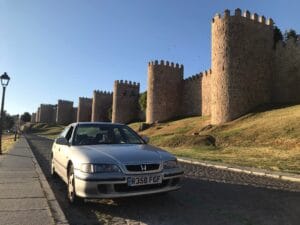
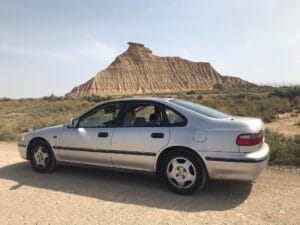
1996 Honda Accord CE7 1.8i
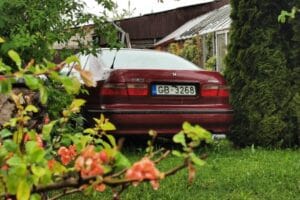
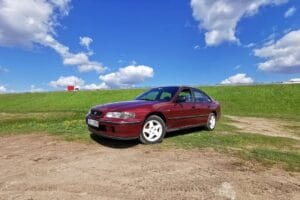
Honda Accord CC7
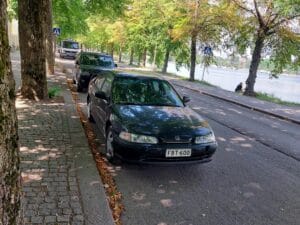
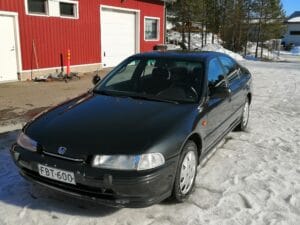
Honda Accord CC7
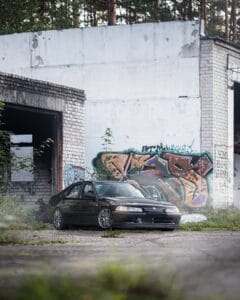
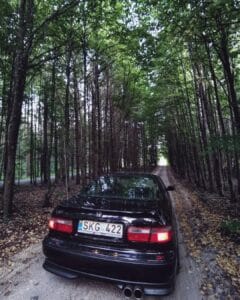
Modified Honda “Space” Accord CE8
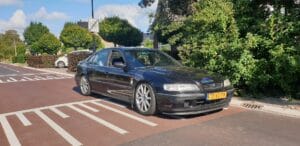
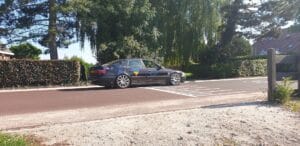
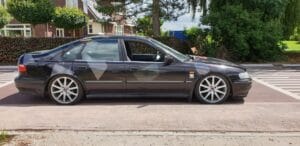
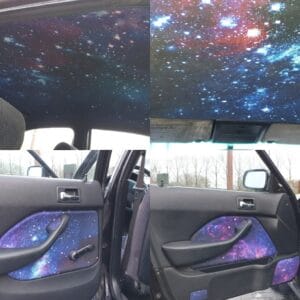
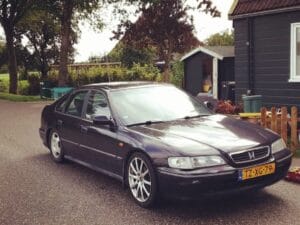
Honda Accord CE8
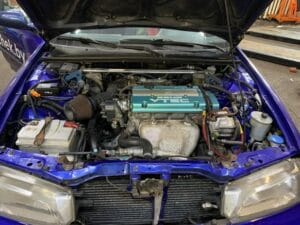
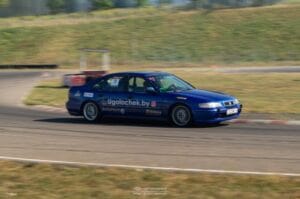
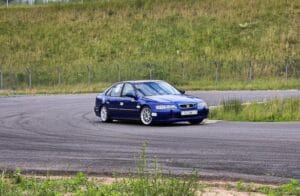
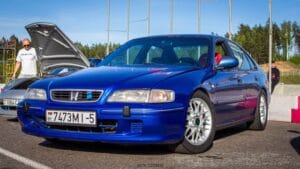
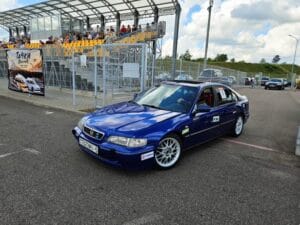
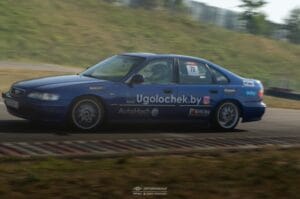
Honda Accord CE7
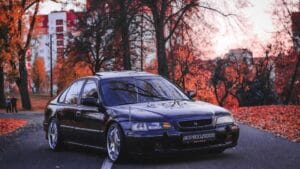
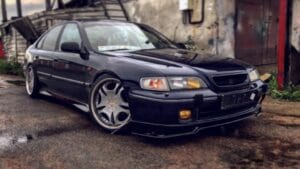
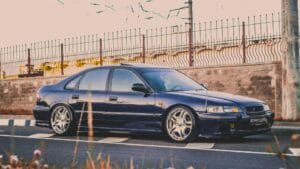
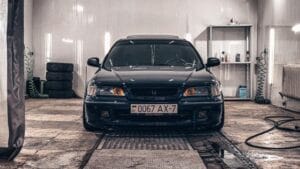
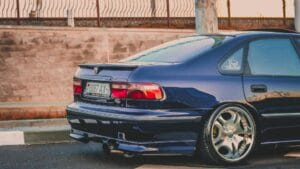
Honda Accord CE9 2.2i VTEC
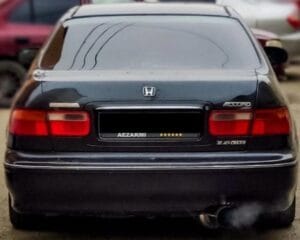
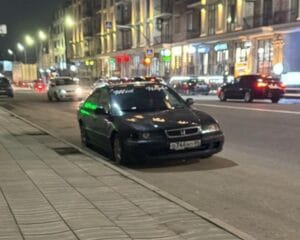
1997 Honda Accord CE8 2.0i
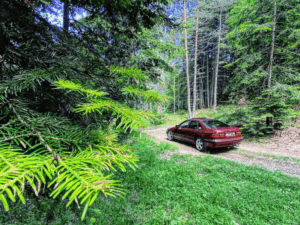
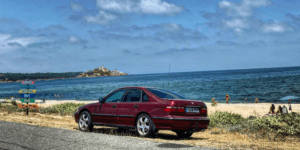
Honda Accord CC7 2.0i S
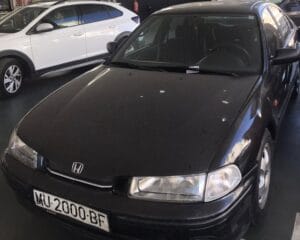
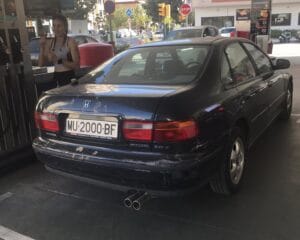
Honda Accord 2.2i VTEC
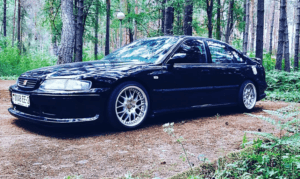
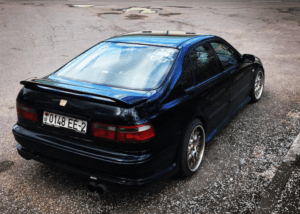
Honda Accord CE8 2.0i
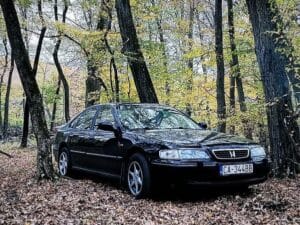
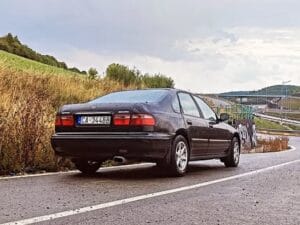
Honda Accord CE8 2.0i
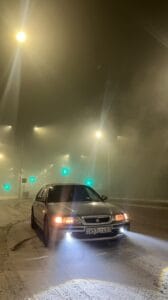
Honda Accord CE
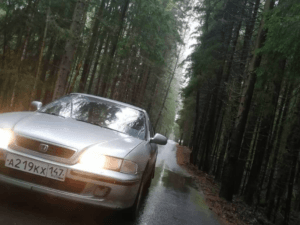
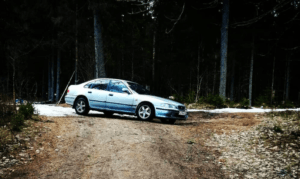
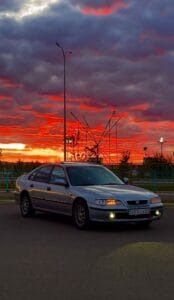
Honda Accord CE8 2.0i
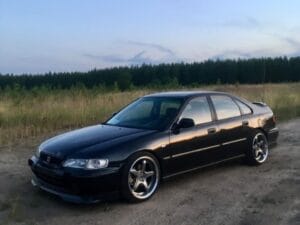
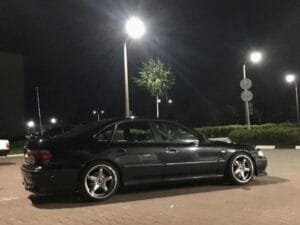
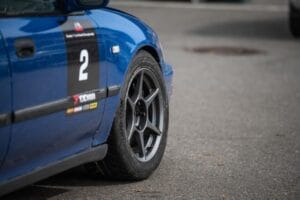
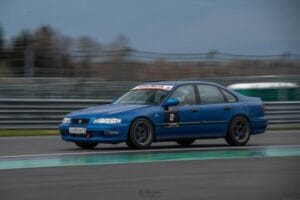
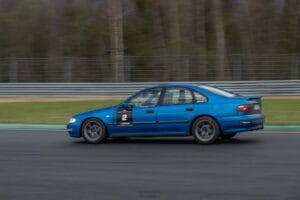
Honda Accord CE7 (Redliners Racing Team)
Multiple winner of the race in time attack discipline on Russian Hot Hatch Championship.
Engine:
H22a Black Top
ECU P1J+Hondavert
Exhaust Mugen
Suspension:
BC Racing BR RA
Transmission:
Honda T2W4
LSD MFactory
Final gear 4.266
Fidanza + Competition clutch
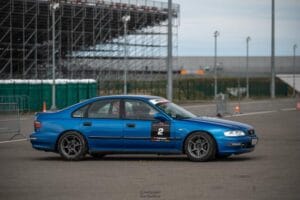
Brakes:
Front: Caliper Proma 4 pot (Russian replica AP Racing CP5200) + Brake pads Hawk HT-10 + Brake disk 300/28 Honda OEM.
Rear: Caliper Honda OEM + Brake pads Hawk HP+ + Brake disk 260/10 Honda OEM.
Interior:
Steering wheel Momo Monte Carlo
Motorsport seat RECARO Pro Racer SPA (carbon-aramid composite)
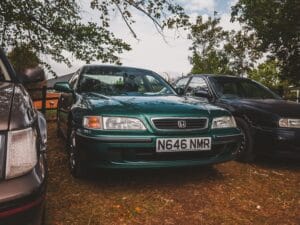
1996 Honda Accord CE8 2.0i LS
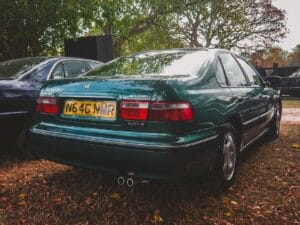
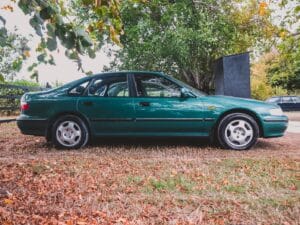
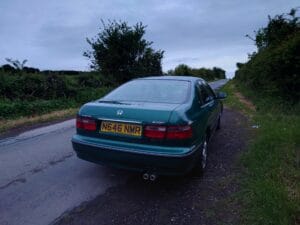
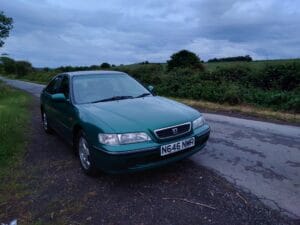
1997 Honda Accord 2.0i TD
(Rover L-Series 20T2N Diesel Engine)
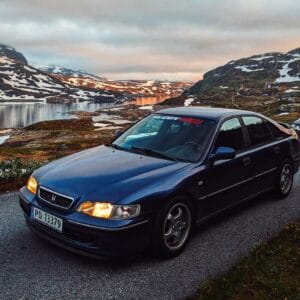
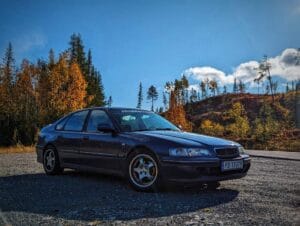
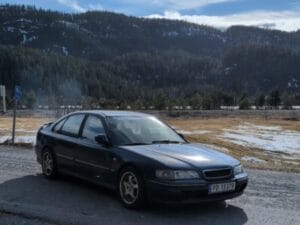
1998 Honda Accord CE9 2.2i VTEC
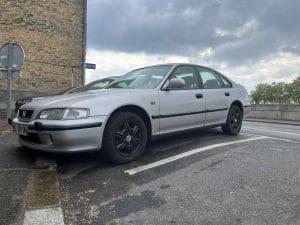
Honda Accord CC7 2.0i & 1998 Rover 618i
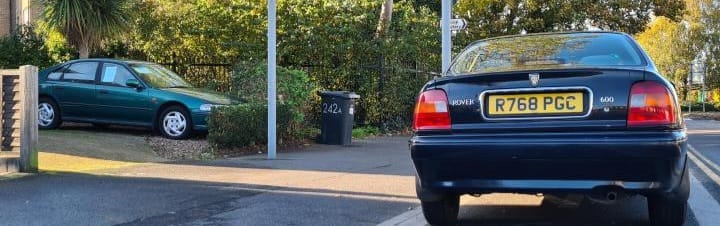
1998 Honda Accord CE8 2.0i SE Auto
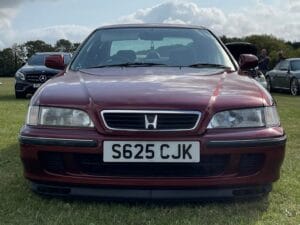
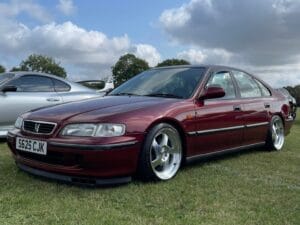
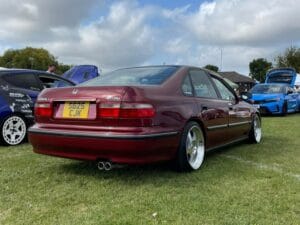
1998 Honda Accord CE9 2.2i VTEC Auto with Honda Body Styling Kit
(Engine has been swapped with h22a)
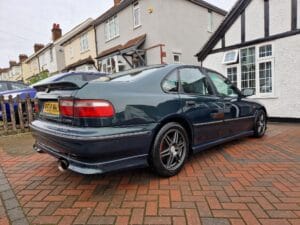
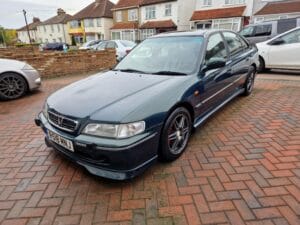
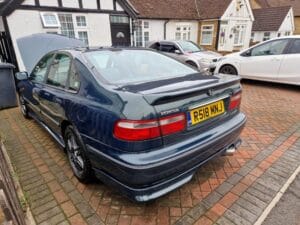
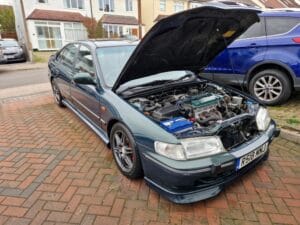
1996 Honda Accord CE7 1.8i
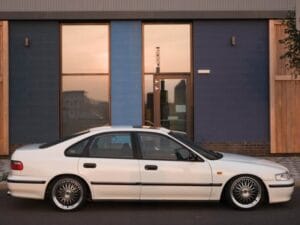
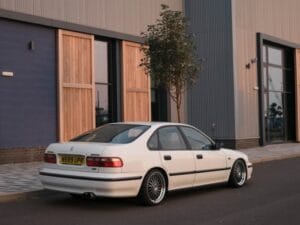
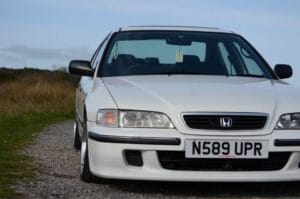
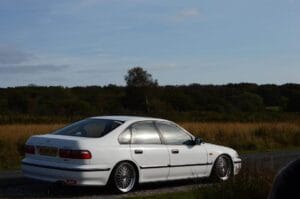
1996 Honda Accord CE7 1.8i LS
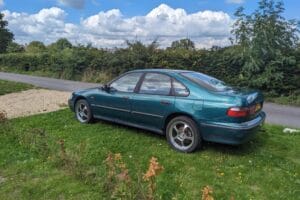
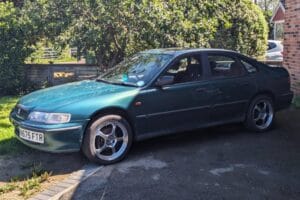
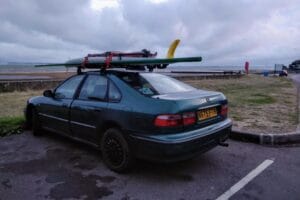
1997 Honda Accord CE7 1.8i LS
(@accord1.8ils)
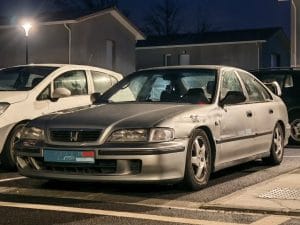
Honda Accord CE9 2.2i VTEC
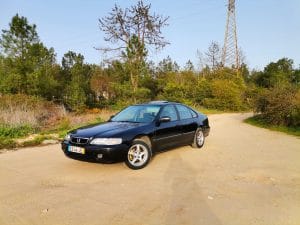
Honda Accord CE7 1.8i
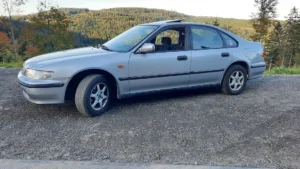
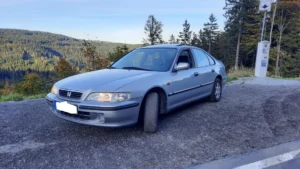
Honda Accord CE7 1.8i LS
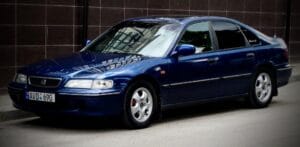
1997 Honda Accord CE8 2.0i ES
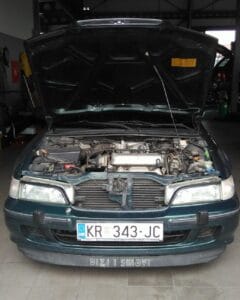
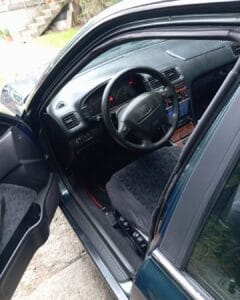
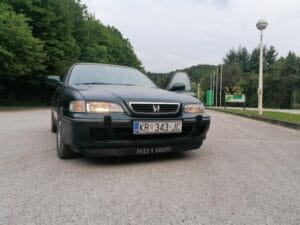
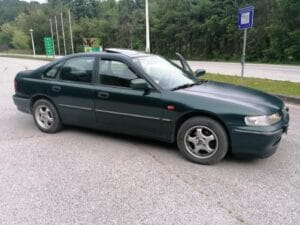
Honda Accord CE8
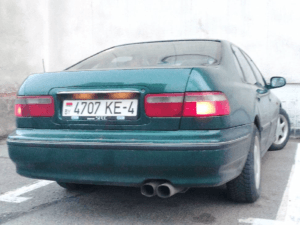
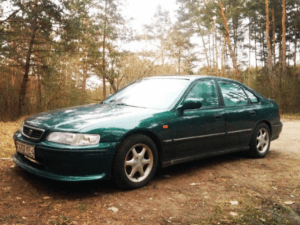
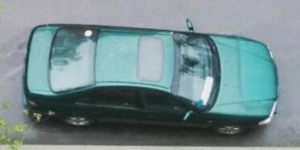
1997 Honda Accord CE7 1.8i
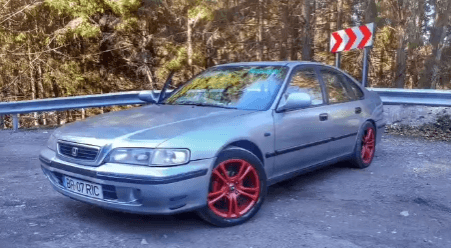
Honda Accord CE7 1.8i LS
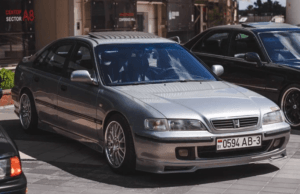
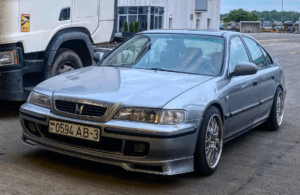
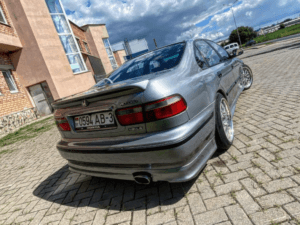
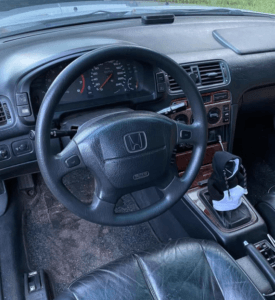
Honda Accord CE8
‘FIRST MAN, THEN MACHINE’
Honda felt European buyers wanted different things to Americans, so they opted to design an Accord saloon specifically for Europe for its 5th generation, but felt it wasn’t economically viable to design a whole new estate and coupe as well, deciding the American versions would be imported for these less lucrative body styles.
Due to financial difficulties Rover needed another collaboration with Honda to replace their ageing Montego. A deal between Honda and Rover was finalised in June 1989 which would give rise to the 5th gen Honda Accord CC7 & Rover 600, but Honda had full control of the technical development and made further stipulations: the Rover 600 could not be sold in the USA, naturally aspirated petrol power units had to be Honda, and Rover were only allowed to change the external design. The Accord ultimately ended up sharing their interior, front doors, rear doors below window level, windscreen and roof with the Rover 600. Unlike the reciprocal manufacturing arrangement that the companies formed for the Honda Legend & Rover 800, the CC7 was exclusively assembled at Honda’s Swindon plant while the Rover 600s were built at Cowley.
The CC7 Accord shares most of its design with the Japanese market Honda Ascot Innova, a mid-size luxury car sold through Honda Primo dealers, and they share parts due to Honda cutting costs during development. Unfortunately for Accord owners, it lost the optional 4-wheel steering and frameless doors when it was turned into the Accord for the European market. The window controls were also moved from the door to the centre to match what Rover had. Some Accords also received the same wood effect centre console panels as the Rover (but unlike the Rover there was none on the dashboard or doors). Honda’s signature 4-wheel double-wishbone suspension was used. Top spec accords did however include one feature the Rover doesn’t: “lazy locking” by putting the key in the driver’s door, locking it and then holding the key there, all the windows and sunroof will close.
The 1993 launch (CC7) Honda engine range comprised just the 16V 2.0i F20Z, joined by the 16V 2.3i H23A3 a few months later. The CC7 model range included 2.0i, 2.0i S, 2.0i LS, 2.0i ES and the top spec 2.3i SR. In 1995 the 16V 1.8i F18A3 engine was added for the new 1.8i S & 1.8 ES models. Automatic transmission was available on the LS, ES & SR. All CC7 Accords featured electric windows and tinted glass. ABS and keyless entry were standard on the 2.0i, LS, ES and SR. Models from the LS upwards had a driver airbag and the ES & SR also had a passenger airbag.
In 1996 the Accord was facelifted and was now known as CE7, CE8 or CE9 depending on engine size. Facelift cars felt more premium than sporty; the front-end redesign looked more like the Rover 600 than the CC7. Facelifted Accords featured chrome brightwork like the 600. The facelift also introduced cupholders in the doors and a centre armrest which were also added to the 600 in its 1996 facelift.
The biggest changes in the 1996 facelift were under the bonnet. Although the main power and drivetrain components were unchanged many of the ancillary components were, making it necessary to determine that the correct item is purchased when replacing parts. Some of the items that were new: power steering pump, alternator, distributor, master cylinder and servo, fuel filter, starter motor, alarm and immobiliser. On the Accord the 2.3i was replaced with the 16V 2.2i VTEC F22Z2 (CE9), while the 1.8i F18A3 (CE7) and 2.0i F20Z (CE8) were maintained.
The CE7-9 model range included 1.8i, 1.8i S, 1.8i LS, 1.8i ES (CE7), 2.0i, 2.0i S, 2.0i LS, 2.0i ES (CE8), 2.2i VTEC (CE9) and 2.0i TD (which shared interior trim and most equipment with the LS model). The Rover L-series 20T2N diesel engine from the Rover 620 diesel models was used in the 2.0i TD Accord, although survivors are now extremely rare. Keyless entry and driver and passenger airbags became standard on all models with the facelift. ABS and power mirrors became standard on the S model and above. Models from LS upwards featured heated body-coloured mirrors, wood effect trim and an illuminated ignition switch, as did the 2.0i TD. “Lazy locking” and aircon were included on the LS & above. Leather interior was standard on the CE9, and Eight-way power driver’s seat adjustment, cruise control, headlamp washers, leather steering wheel, tweeters, and alloy wheels were standard on the ES & 2.2i VTEC. Automatic transmission was available on the CE8 & CE9 models. Towards the end of production, the Special Edition (SE) model was added with a mix of features.
A rear spoiler (standard on CE9), body styling kit and front fog lights were available as optional extras for all models. The rear spoiler had an integrated LED brake lamp. The body styling kit included front, rear and side skirts giving a sportier appearance.
The paint colours available on the CE7/CE8/CE9 were:
– Orleans Blue Pearl: all models
– Baikal Green Pearl: all models
– Serene Silver Metallic: all models
– Sicilian Red Pearl: 2.0i LS, 2.0i ES & 2.2i VTEC
– Pirates Black Pearl: 2.0i S, 2.0i LS, 2.0i ES & 2.2i VTEC
– Carmen Red: 1.8i, 2.0i S & 2.0i TD.
-Milos White: 1.8i, 2.0i S, 2.0i LS, 2.0i ES & 2.0i TD
The Accords were typically a far higher spec than their Rover counterparts, as Honda didn’t understand the fleet market in the way Rover did, so the Accords come with many more options as standard. Almost all Accords came with a sunroof, the majority have alloy wheels, and a decent amount have leather interior.
In 1998 the CE7-9 ceased production with the 6th Generation Accord entering the market. Its Rover 600 sister carried on a little longer until its replacement by the Rover 75 in 1999.
The Rover 600 & 800 Owners’ Club officially supports the European Mk5 Honda Accord Saloon (CC7/CE7/CE8/CE9). If you’re not already a member of the Club, please consider joining to help us secure the future of these cars by enabling us to fund remanufacture of crucial and MOT failure parts with prohibitively high development costs/minimum order quantities. Any owners & enthusiasts of these cars are welcome to join the Club (click here).
If any of the information on this page is incorrect, or if you have any information or photos which could improve this page, please contact R600800web@outlook.com
Rover 620SLi & Honda Accord CC7 2.0i LS Auto
Rover 623GSi & Honda Accord CE8 2.0i LS
Rover 620Si & Honda Accord CE8 2.0i ES
Honda Accord CC7 2.0i & 1998 Rover 618i
1994 Honda Accord CC7 2.0i LS
1995 Honda Accord CC7 2.0i LS Auto
1996 Honda Accord CE8 2.0i LS
1997 Honda Accord 2.0i TD
(Rover L-Series 20T2N Diesel Engine)
1998 Honda Accord CE9 2.2i VTEC
1998 Honda Accord CE8 2.0i SE Auto
1994 Honda Accord CC7 2.0i LS (Imported to USA)
Honda Accord CC7 2.0i
Honda Accord CE7 1.8i LS
(@mimi_sleeperedsun)
1997 Honda Accord CE7 1.8i LS
(@accord1.8ils)
Honda Accord CC7 2.0i
1994 Honda Accord CC7 2.0i ES
1996 Honda Accord CE7 1.8i LS
1998 Honda Accord CE9 2.2i VTEC Auto with Honda Body Styling Kit
(Engine has been swapped with h22a)
1998 Honda Accord CE8 2.0i SE
1996 Honda Accord CE7 1.8i
Honda Accord CE
1995 Honda Accord CC7 2.0i ES
1996 Honda Accord CE9 2.2i VTEC
Honda Accord CE9 2.2i VTEC
Honda Accord CC7 2.0i LS
Honda Accord CC7
Honda Accord CC7
1994 Honda Accord CC7
Honda Accord CC7 2.0i
Honda Accord 2.2i VTEC
Honda Accord CC7 2.0i LS
Honda Accord CC7 1.8i ES
Honda Accord CC7
Honda Accord CC7
Honda Accord CC7
Honda Accord CE9 2.2i VTEC
Honda Accord CC7 2.0i S
Honda Accord CE8 2.0i
Honda Accord CE7 1.8i LS
Honda Accord CE7 1.8i
Honda Accord CE7 1.8i LS
1997 Honda Accord CE8 2.0i ES
1996 Honda Accord CE7
Modified Honda “Space” Accord CE8
Honda Accord CE8 2.0i LS
Honda Accord CE8 2.0i
1997 Honda Accord CE7 1.8i
Honda Accord CE9 2.2i VTEC
1997 Honda Accord CE8 2.0i
Honda Accord CE8 2.0i
Honda Accord CE8
Honda Accord CE7
Honda Accord CE
Honda Accord CE8
Honda Accord CE8
1996 Honda Accord CE8 2.0i
Honda Accord CE7 (Redliners Racing Team)
Multiple winner of the race in time attack discipline on Russian Hot Hatch Championship.
Engine:
H22a Black Top
ECU P1J+Hondavert
Exhaust Mugen
Transmission:
Honda T2W4
LSD MFactory
Final gear 4.266
Fidanza + Competition clutch
Suspension:
BC Racing BR RA
Brakes:
Front: Caliper Proma 4 pot (Russian replica AP Racing CP5200) + Brake pads Hawk HT-10 + Brake disk 300/28 Honda OEM.
Rear: Caliper Honda OEM + Brake pads Hawk HP+ + Brake disk 260/10 Honda OEM.
Interior:
Steering wheel Momo Monte Carlo
Motorsport seat RECARO Pro Racer SPA (carbon-aramid composite)