
The Rover 800 Mk2

Harriet the 1999 Rover 825SDi Fastback
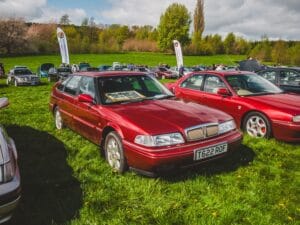
Geoffrey the 1998 Rover 825 Sterling Auto Fastback
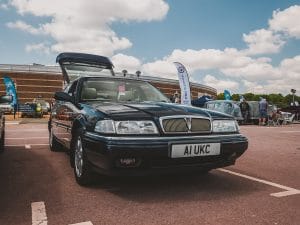
Riggs the 1997 Rover 825 Sterling Auto Coupé
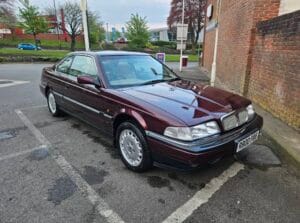
‘ABOVE ALL, IT’S A ROVER’
The 1992 model year saw the introduction of the second-generation Rover 800 series with significant styling and engineering revisions. Known under the codenames R17 (Fastback) & R18 (Saloon), it was launched in late 1991. The body was more rounded with curved wings, a new bonnet, new headlights and taillights, and gained a grille inspired by the iconic feature of its older “P” relatives. The 2 litre M-Series engine used in the Mk1 was replaced with the 2 litre Rover T-Series which shared the basic structure with its predecessor and was available in naturally aspirated (see 820 T-Series page) and turbocharged variants (see 820 Vitesse page). The 827 carried forward the Honda V6 24 valve engine with programmed fuel injection (see 827 Mk2 page). A 2-door coupé model joined the existing saloon and fastback roster bearing this engine (see Coupé page). The 825 Diesel also persisted in the new 800 mk2 range, keeping its VM Motori engine (see 825 Diesel Mk2 page).
The Mk2 was around 7 ½” longer and ¾” wider than the Mk1 (the coupé around 2 ½” narrower). A facelifted model came in 1996, which saw the discontinuation of the 827 owing to the Honda V6 no longer meeting impending emission requirements and BMW’s ownership of Rover. To replace the gap in the line-up the petrol Rover 825 was re-introduced, this time with Rover’s own KV6 2.5 litre engine (see 825 KV6 page). The KV6 was plagued with reliability problems until its redesign for the 800’s successor, the Rover 75. Following the facelift the Coupé was fitted with either the T-Series or the KV6. At a glance the easiest way to tell the facelifted model apart is the lighter coloured grille fins which made the post 1996 800 consistent with other Rover models of the mid to late 90s, such as the 600, mk2 400 and mk3 200.
A much more detailed account of the Rover 800’s history can be found in this article: click here
If you’re not already a member of the Club, please consider joining to help us secure the future of these cars by enabling us to fund remanufacture of crucial and MOT failure parts with prohibitively high development costs/minimum order quantities. Any owners & enthusiasts of these cars are welcome to join the Club (click here).
If any of this information is incorrect, or if you have any information or photos which could improve this page, please contact R600800web@outlook.com
1993 Rover 820SLi Saloon
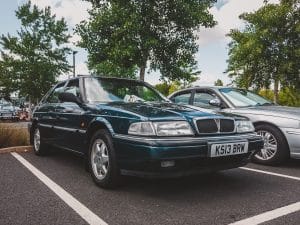
1993 Rover 827 Sterling Saloon
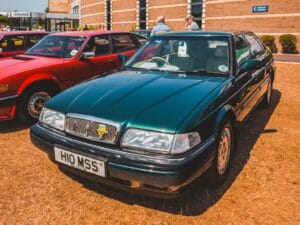
1996 Rover 820i Fastback
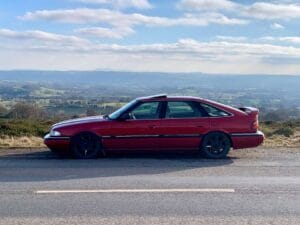
1996 Rover 820 Vitesse Fastback
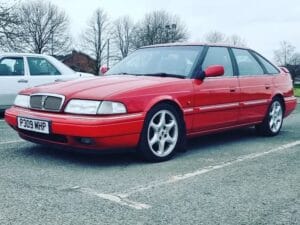
1993 Rover 827Si Auto Saloon

‘ABOVE ALL, IT’S A ROVER’
The 1992 model year saw the introduction of the second-generation Rover 800 series with significant styling and engineering revisions. Known under the codenames R17 (Fastback) & R18 (Saloon), it was launched in late 1991. The body was more rounded with curved wings, a new bonnet, new headlights and taillights, and gained a grille inspired by the iconic feature of its older “P” relatives. The 2 litre M-Series engine used in the Mk1 was replaced with the 2 litre Rover T-Series which shared the basic structure with its predecessor and was available in naturally aspirated (see 820 T-Series page) and turbocharged variants (see 820 Vitesse page). The 827 carried forward the Honda V6 24 valve engine with programmed fuel injection (see 827 Mk2 page). A 2-door coupé model joined the existing saloon and fastback roster bearing this engine (see Coupé page). The 825 Diesel also persisted in the new 800 mk2 range, keeping its VM Motori engine (see 825 Diesel Mk2 page).
The Mk2 was around 7 ½” longer and ¾” wider than the Mk1 (the coupé around 2 ½” narrower). A facelifted model came in 1996, which saw the discontinuation of the 827 owing to the Honda V6 no longer meeting impending emission requirements and BMW’s ownership of Rover. To replace the gap in the line-up the petrol Rover 825 was re-introduced, this time with Rover’s own KV6 2.5 litre engine (see 825 KV6 page). The KV6 was plagued with reliability problems until its redesign for the 800’s successor, the Rover 75. Following the facelift the Coupé was fitted with either the T-Series or the KV6. At a glance the easiest way to tell the facelifted model apart is the lighter coloured grille fins which made the post 1996 800 consistent with other Rover models of the mid to late 90s, such as the 600, mk2 400 and mk3 200.
A much more detailed account of the Rover 800’s history can be found in this article: click here
If you’re not already a member of the Club, please consider joining to help us secure the future of these cars by enabling us to fund remanufacture of crucial and MOT failure parts with prohibitively high development costs/minimum order quantities. Any owners & enthusiasts of these cars are welcome to join the Club (click here).
If any of this information is incorrect, or if you have any information or photos which could improve this page, please contact R600800web@outlook.com
1993 Rover 827 Sterling Saloon
1996 Rover 820 Vitesse Fastback
Harriet the 1999 Rover 825SDi Fastback
1993 Rover 827Si Auto Saloon
1996 Rover 820i Fastback
Geoffrey the 1998 Rover 825 Sterling Auto Fastback
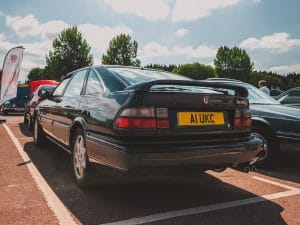
Riggs the 1997 Rover 825 Sterling Auto Coupé
1993 Rover 820SLi Saloon