

1997 Rover 820 Vitesse Coupé
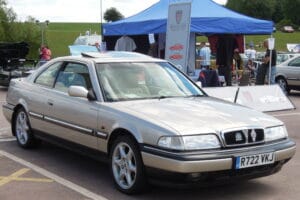
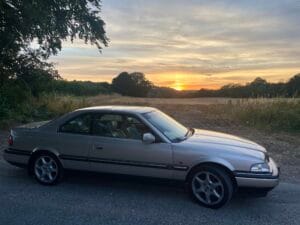
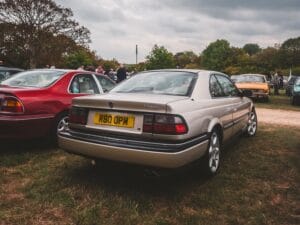
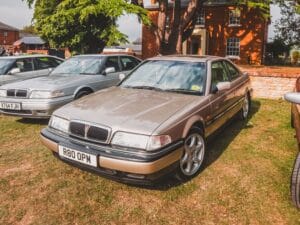
1998 Rover 820 Vitesse Coupé
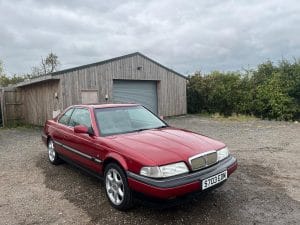
1996 Rover 820 Vitesse Fastback
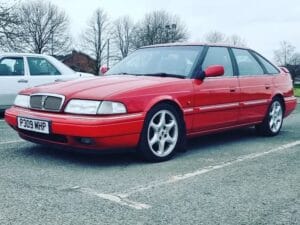
1998 Rover 820 Vitesse Saloon
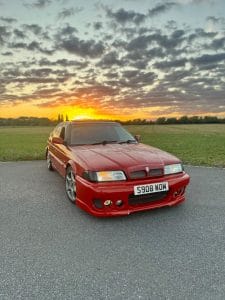
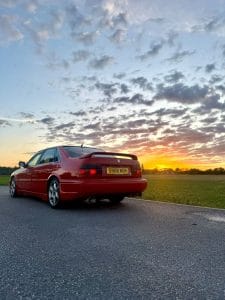
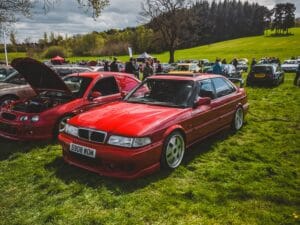
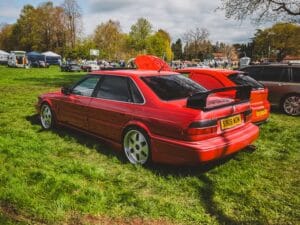
1996 Rover 820 Vitesse Sport Fastback
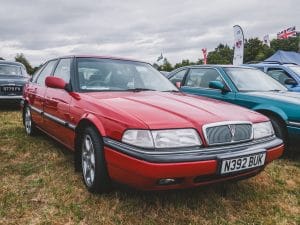
1999 Rover 820 Vitesse Fastback
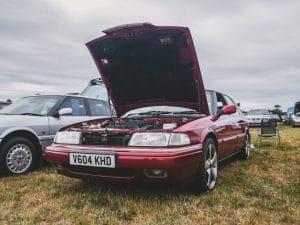
1997 Rover 820 Vitesse Fastback
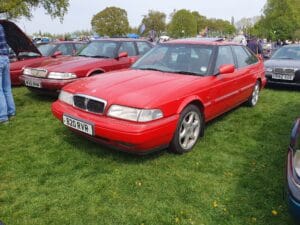
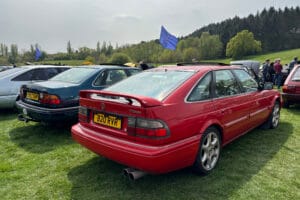
1993 Rover 820 Vitesse Fastback
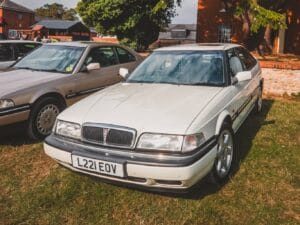
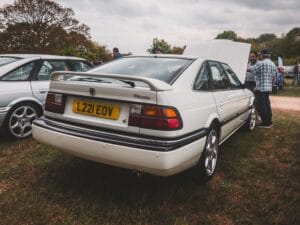
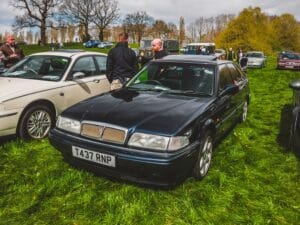
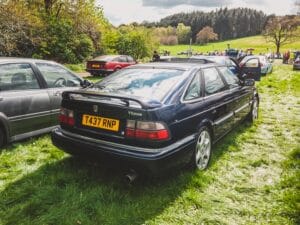
1994 Rover 820 Vitesse Sport Saloon
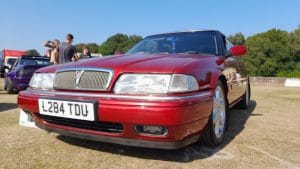
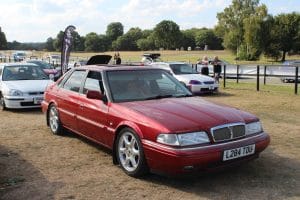
1997 Rover 820 Vitesse Fastback
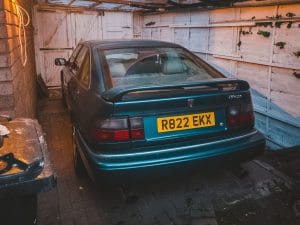
1998 Rover 820 Vitesse Coupé
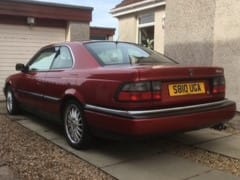
1996 Rover 820 Vitesse Fastback
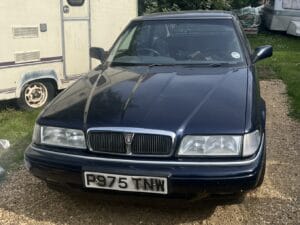
2000 Rover 820 Vitesse Fastback
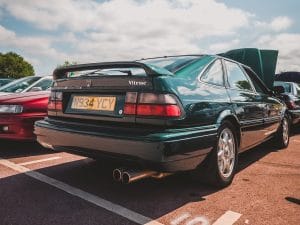
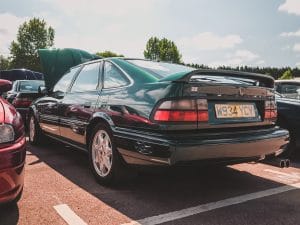
1998 Rover 820 Vitesse Saloon
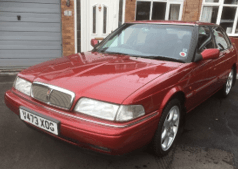
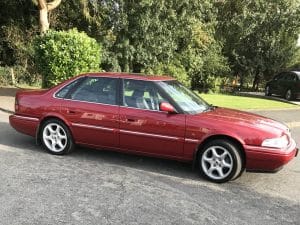
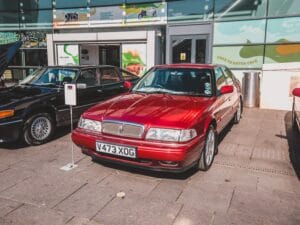
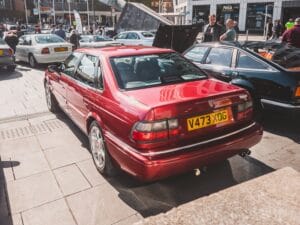
1997 Rover 820 Vitesse Coupé
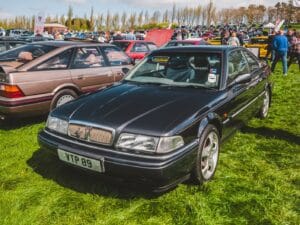
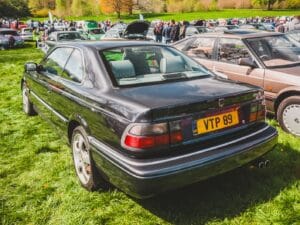
1994 Rover 820 Vitesse Sport Saloon
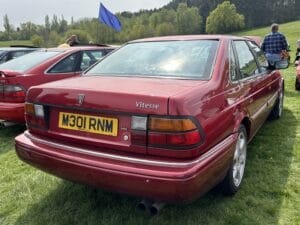
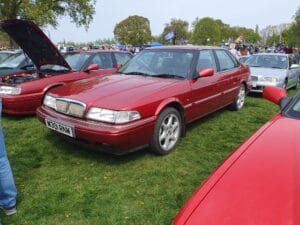
1997 Rover 820 Vitesse Coupé
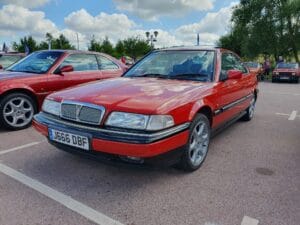
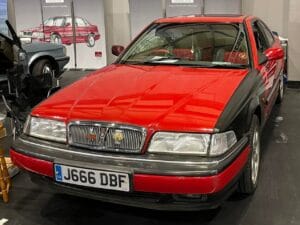
1996 Rover 820 Vitesse Sport Saloon
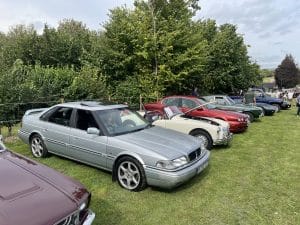
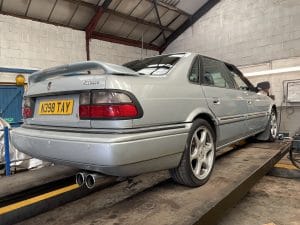
Rover 820 Vitesse (T-Series Turbo)
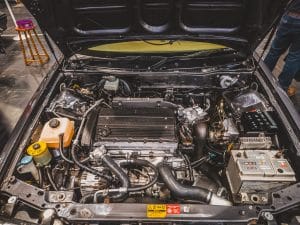
For the 1992 refresh, the 2 litre M-Series engine was replaced with the 2 litre L4 Rover T-Series (T16) engine which shared the basic structure with its predecessor and was available in naturally aspirated (see 820 T-Series page) and turbocharged variants. The T16 had a new long-tract inlet which significantly improved torque. Compared to the M16 the T16 did not circulate gases in external pipes instead using internal channels in the head and engine block. The pistons were lighter than in the M16, and the crankshaft featured 8 counterweights as opposed to 4. The T16 was controlled by the Modular Engine Management System (MEMS) 1.3, which also recorded faults for diagnostics. The water pump was now driven by the auxiliary drive belt along with the power steering pump, rather than the cam belt. All Mk2 820s featured a catalytic converter as standard and a corresponding narrower fuel filler neck pipework with a charcoal canister. The Honda PG1 manual and ZF 4 HP 14 automatic gearboxes persisted for the Mk2 820 models.
The Mk2 Vitesse was launched in February 1992 as the only turbocharged 820 model, available as both a fastback and saloon and featured 16 inch seven-spoke alloys as standard with the option of five-spoke Roversport alloys. The Vitesse was no longer marketed at the top of the range as it had been with the Sterling for the Mk1, providing a lower cost model for drivers wanting a performance 800 on a budget. Only the fastback Vitesse included a rear spoiler. The Vitesse had a Phillips R682 Radio Cassette with Radio Data System. The Vitesse also had an analogue clock like the 820SLi & Sterling compared to the simple digital clock on lower specification models. Front seats were half leather Recaros with leather edges and Silverstone fabric upholstery.
For 1992-94 the Vitesse was available in Black, British Racing Green Metallic, Caribbean Blue Pearlescent, Flame Red, NightFire Red Pearlescent and White Diamond.
In 1994 the 820 Vitesse Sport was revealed as a more powerful model, costing about £1500 more than the regular 820 Vitesses which it was sold alongside, featuring a new uprated gearbox and torsen differential which could handle the increased power which had been stripped back on the 820 Vitesse up until this point and its M-Series Tickford Turbo predecessor. This allowed the Vitesse Sport to reach 197bhp with a top speed of 143mph and 0-6 of 7.3 seconds. The Sport had unique 17 inch six-spoke alloys, and its suspension was lowered by 20mm and featured thicker roll bars. For the 1995 model year, the standard Vitesse and Vitesse Sport were available in Black, British Racing Green Metallic, Charcoal Metallic, Flame Red, NightFire Red Pearlescent, Tahiti Blue Pearlescent and White Diamond. Both Vitesse models could be improved with the £2000 Lux pack which added heated front seats, electric driver’s seat adjustment, leather upholstery and automatic temperature control.
In mid-January 1996 a facelift for the 800 range was revealed with T-Series cars receiving these updates in March. Updates to the 820 models included MEMS 1.9, wasted spark ignition, a new multi-layered steel head gasket and elastomer cam cover seals. The Vitesse Sport model was discontinued with its power enhancements being transferred to the 820 Vitesse. The T-Series engine was also now available in the Coupé in its turbo form, allowing for a cheaper, but more powerful Coupé. The Vitesse Coupé was exclusively available with the enhancements from the Vitesse Sport, 20mm lowered suspension, uprated manual PG1 gearbox, torsen differential, and 17-inch six-spoke alloy wheels.
The facelifted cars had lighter coloured grille fins, smoked lights and models other than the Vitesse & Sterling now only had simple “800” boot badges rather than model designations (such as “820Si”, “827i”, etc), both of which made the post 1996 800 consistent with other Rover models of the mid to late 90s, such as the 600 and mk3 200.
1996 also brought many more colours with the choices comprising Black (Special Order), Bolero Red Pearlescent, Bolero Red Pearlescent with Pewter Grey Metallic lower body, British Racing Green Metallic, British Racing Green Pearlescent, British Racing Green Pearlescent with Willow Metallic lower body, Caspian Blue Pearlescent, Caspian Blue Pearlescent with Aegean lower body, Cayman Blue Metallic, Charcoal Metallic, Flame Red, Midnight Blue, NightFire Red Pearlescent, Oxford Blue Pearlescent, Oxford Blue with Ionian lower body, Pewter Grey Metallic, White Diamond, White Gold Metallic, Willow Metallic, Woodcote Pearlescent and Zircon Silver. These colours remained until the 800 was discontinued in 1998. A limited number were painted in Charleston Green around April 1997.
If you’re not already a member of the Club, please consider joining to help us secure the future of these cars by enabling us to fund remanufacture of crucial and MOT failure parts with prohibitively high development costs/minimum order quantities. Any owners & enthusiasts of these cars are welcome to join the Club (click here).
If any of this information is incorrect, or if you have any information or photos which could improve this page, please contact R600800web@outlook.com
1997 Rover 820 Vitesse Coupé
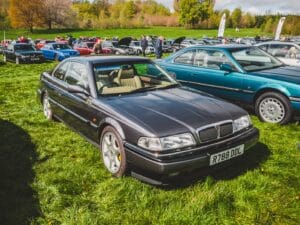
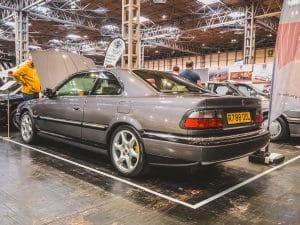
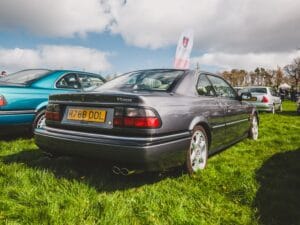
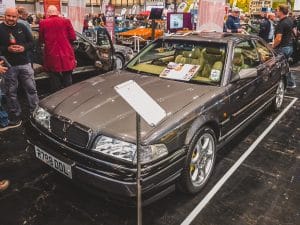
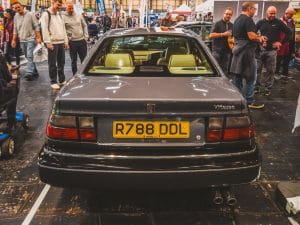
1997 Rover 820 Vitesse Saloon
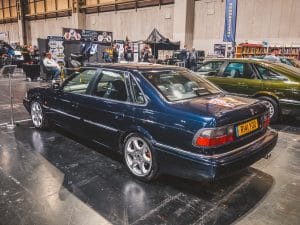
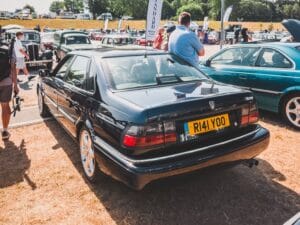
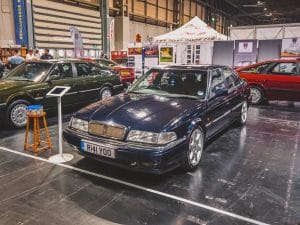
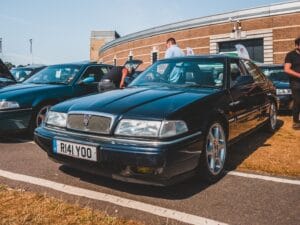
1994 Rover 820 Vitesse Fastback
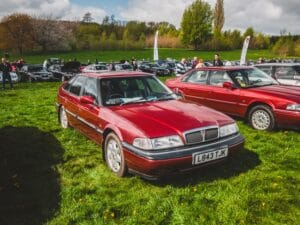
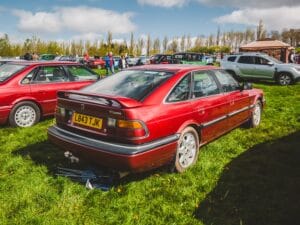
1997 Rover 820 Vitesse Coupé
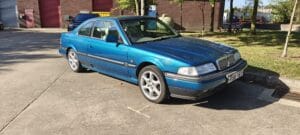
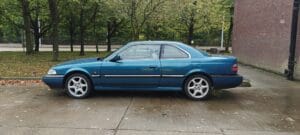
1996 Rover 820 Vitesse Fastback
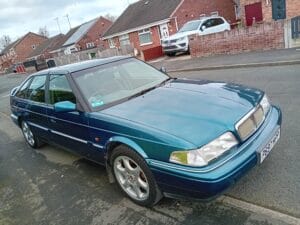
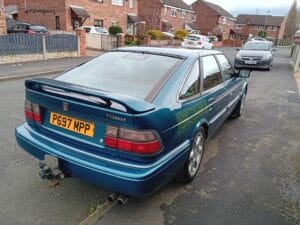
1998 Rover 820 Vitesse Coupé
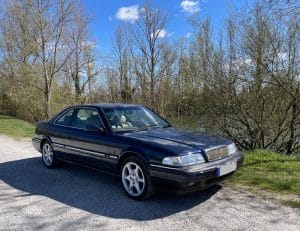
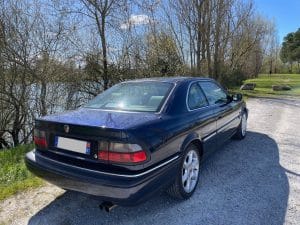
1997 Rover 820 Vitesse Coupé
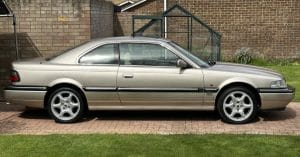
1999 Rover 820 Vitesse Fastback
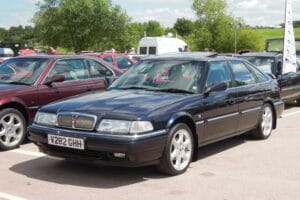
1995 Rover 820 Vitesse Fastback (aka “Thunderbird 2”)
Has been converted to automatic transmission. The interior was upgraded to one from a Sterling – electric seats, air conditioning etc. The exhaust is a PowerFlow from Performance 3000, and the turbo is kept in check with a Greddy Profec boost controller. He has an induction system and dump valve from Forge Motorsport
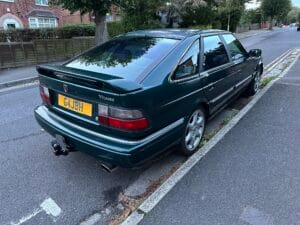
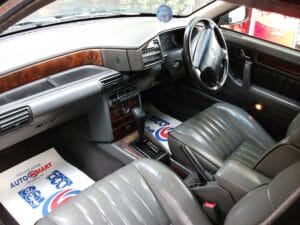
Rover 820 Vitesse Fastback
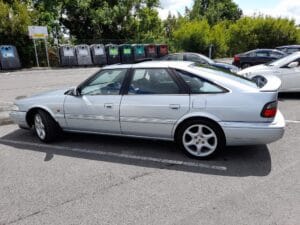
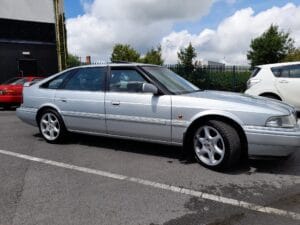
1999 Rover 820 Vitesse Fastback
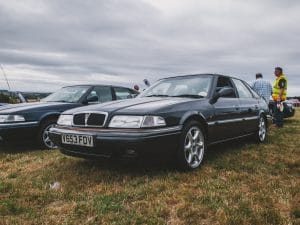
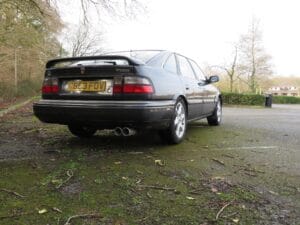
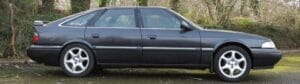
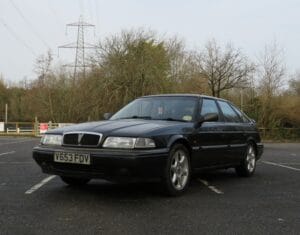
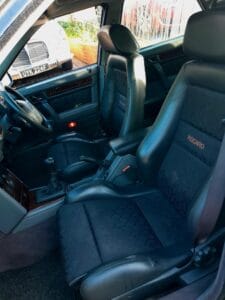
Rover 820 Vitesse Saloon
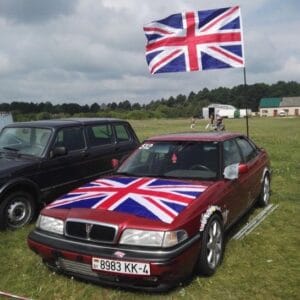
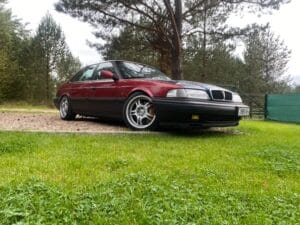
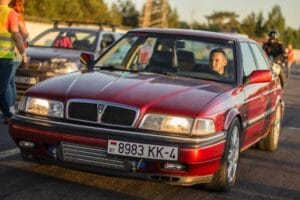
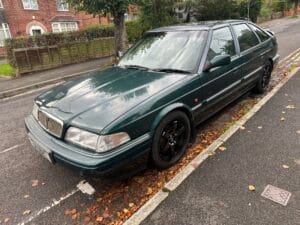
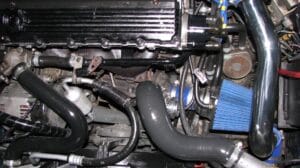
Rover 820 Vitesse Coupé
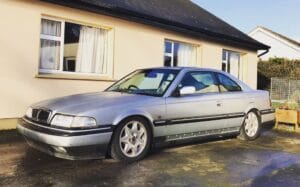
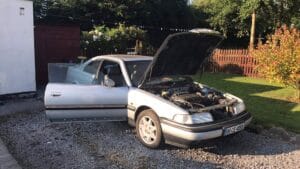
1996 Rover 820 Vitesse Sport Saloon
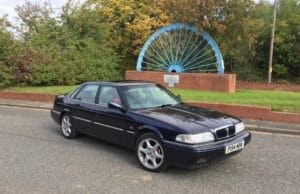
Rover 820 Vitesse Saloon
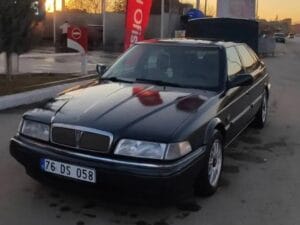
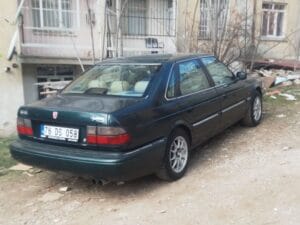
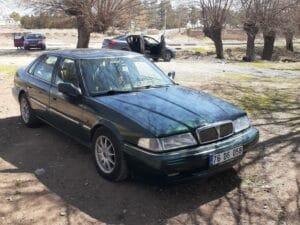
1998 Rover 820 Vitesse Coupé
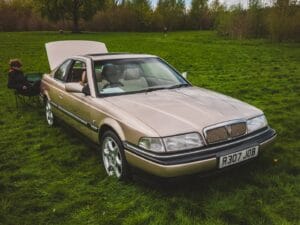
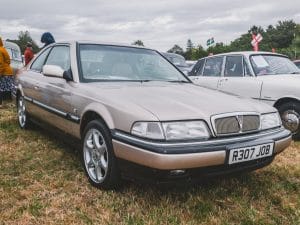
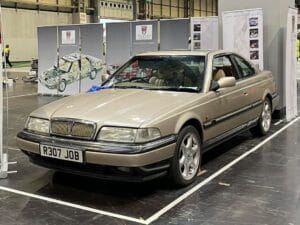
1999 Rover 820 Vitesse Saloon
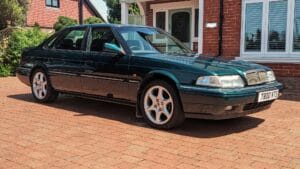
1999 Rover 820 Vitesse Fastback
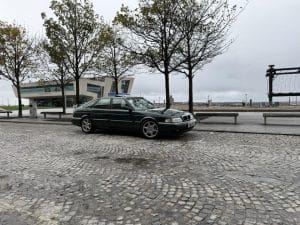
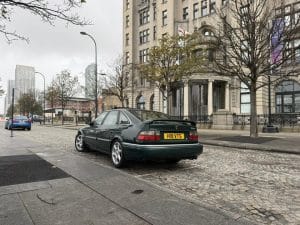
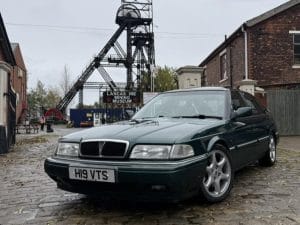
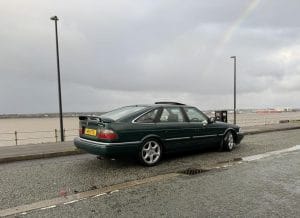
1999 Rover 820 Vitesse Fastback
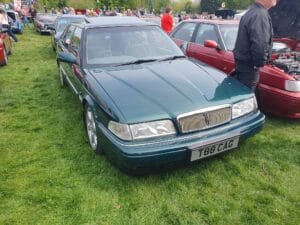
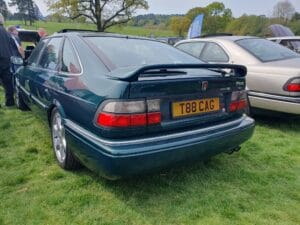
1994 Rover 820 Vitesse Fastback
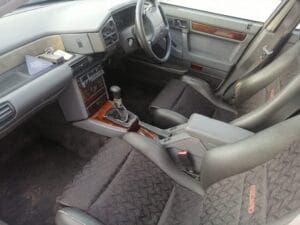
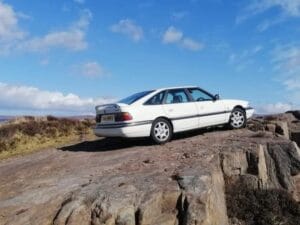
Rover 820 Vitesse Sport Fastback
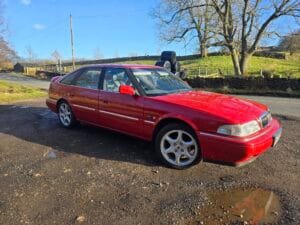
1995 Rover 820 Vitesse Sport Fastback
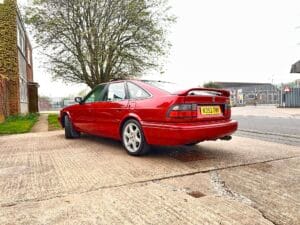
1997 Rover 820 Vitesse Saloon
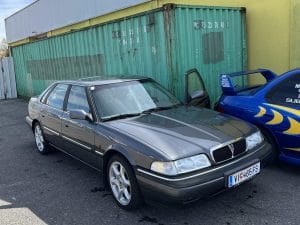
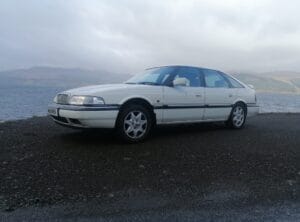
1996 Rover 820 Vitesse Fastback
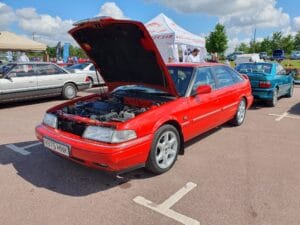
1995 Rover 820 Vitesse Saloon
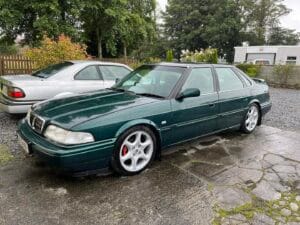
1999 Rover 820 Vitesse Fastback
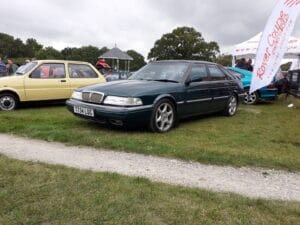
1999 Rover 820 Vitesse Fastback
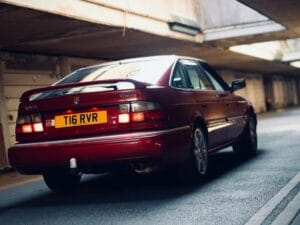
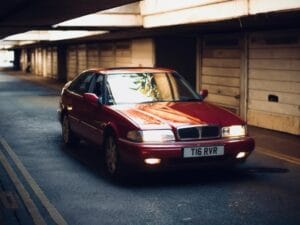
1995 Rover 820 Vitesse Sport Fastback
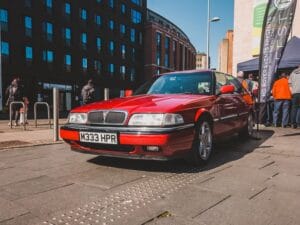
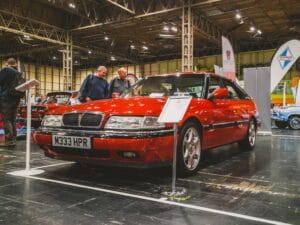
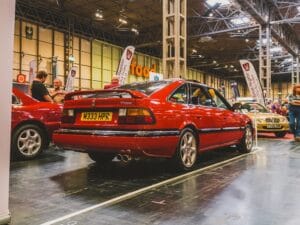
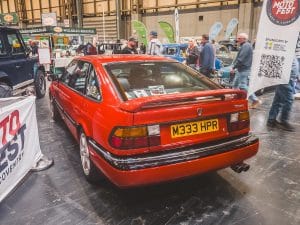
1999 Rover 820 Vitesse Coupé
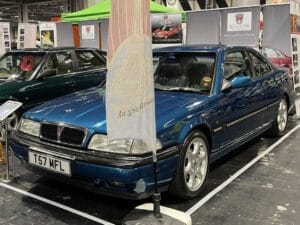
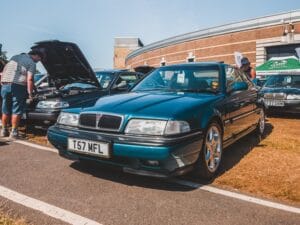
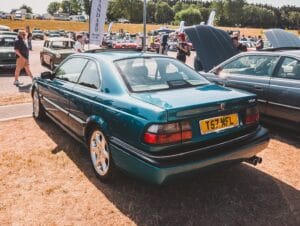
1999 Rover 820 Vitesse Fastback
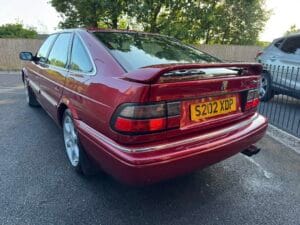
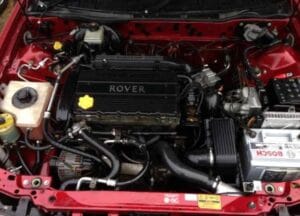
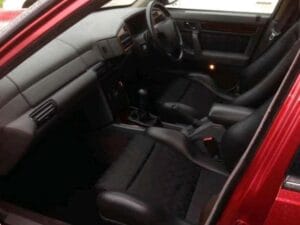
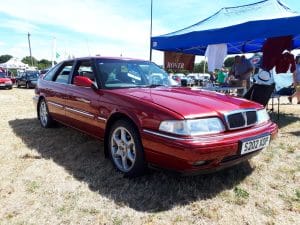
1993 Rover 820 Vitesse Fastback
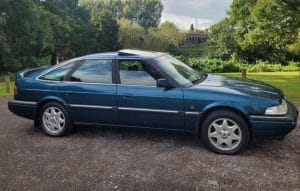
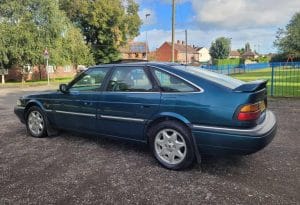
1998 Rover 820 Vitesse Coupé
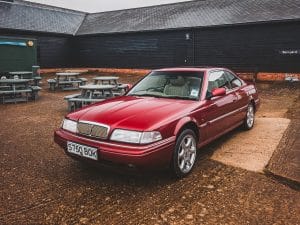
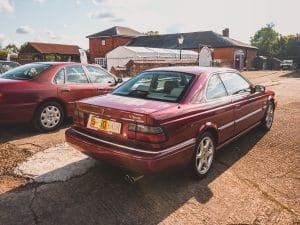
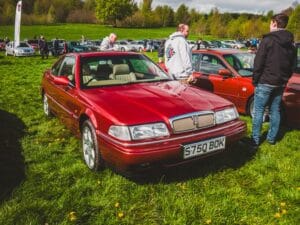
1997 Rover 820 Vitesse Coupé
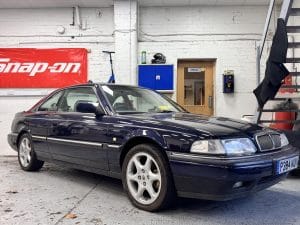
1997 Rover 820 Vitesse Coupé
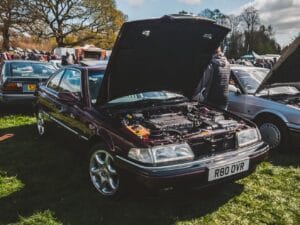
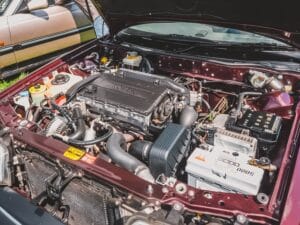
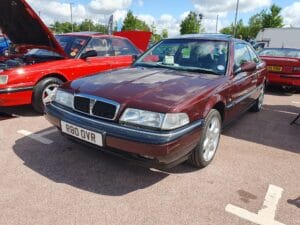
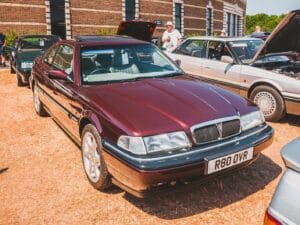
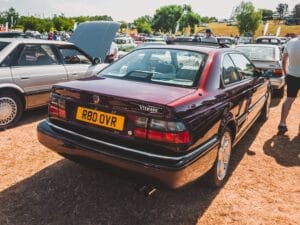
1994 Rover 820 Vitesse Saloon
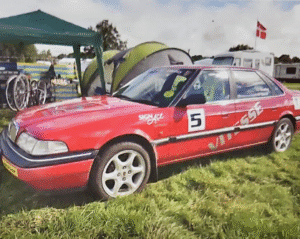
1996 Rover 820 Vitesse Fastback
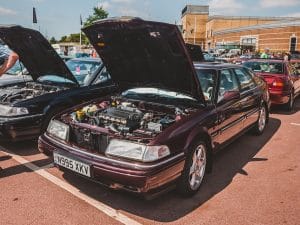
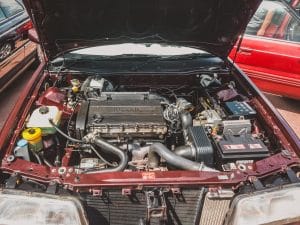
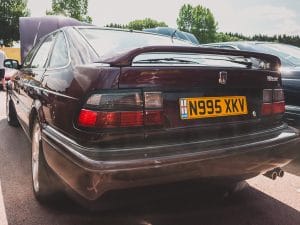
Rover 820 Vitesse Fastback
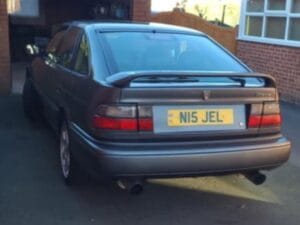
Rover 820 Vitesse Coupé
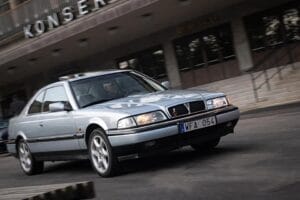
Rover 820Ti Saloon (France)
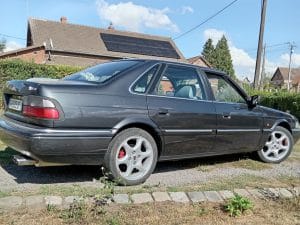
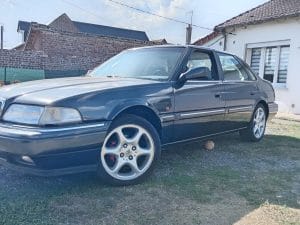
1999 Rover 820 Vitesse Fastback
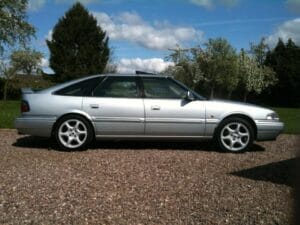
1996 Rover 820 Vitesse Sport Fastback
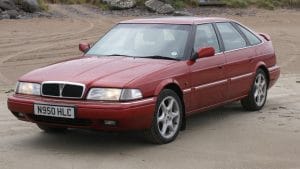
1993 Rover 820 Vitesse Fastback
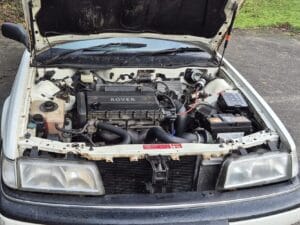
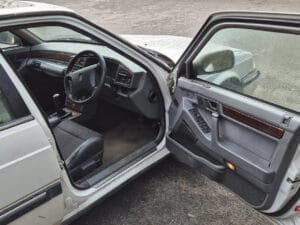
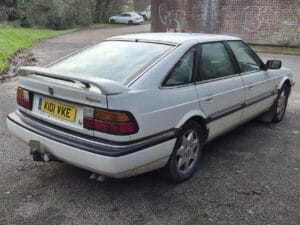
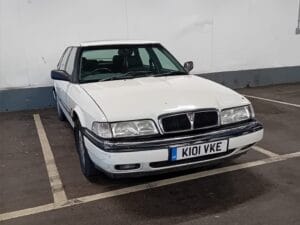
1997 Rover 820 Vitesse Coupé
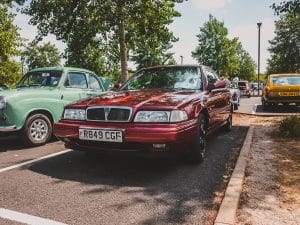
Rover 820 Vitesse (T-Series Turbo)
For the 1992 refresh, the 2 litre M-Series engine was replaced with the 2 litre L4 Rover T-Series (T16) engine which shared the basic structure with its predecessor and was available in naturally aspirated (see 820 T-Series page) and turbocharged variants. The T16 had a new long-tract inlet which significantly improved torque. Compared to the M16 the T16 did not circulate gases in external pipes instead using internal channels in the head and engine block. The pistons were lighter than in the M16, and the crankshaft featured 8 counterweights as opposed to 4. The T16 was controlled by the Modular Engine Management System (MEMS) 1.3, which also recorded faults for diagnostics. The water pump was now driven by the auxiliary drive belt along with the power steering pump, rather than the cam belt. All Mk2 820s featured a catalytic converter as standard and a corresponding narrower fuel filler neck pipework with a charcoal canister. The Honda PG1 manual and ZF 4 HP 14 automatic gearboxes persisted for the Mk2 820 models.
The Mk2 Vitesse was launched in February 1992 as the only turbocharged 820 model, available as both a fastback and saloon and featured 16 inch seven-spoke alloys as standard with the option of five-spoke Roversport alloys. The Vitesse was no longer marketed at the top of the range as it had been with the Sterling for the Mk1, providing a lower cost model for drivers wanting a performance 800 on a budget. Only the fastback Vitesse included a rear spoiler. The Vitesse had a Phillips R682 Radio Cassette with Radio Data System. The Vitesse also had an analogue clock like the 820SLi & Sterling compared to the simple digital clock on lower specification models. Front seats were half leather Recaros with leather edges and Silverstone fabric upholstery.
For 1992-94 the Vitesse was available in Black, British Racing Green Metallic, Caribbean Blue Pearlescent, Flame Red, NightFire Red Pearlescent and White Diamond.
In 1994 the 820 Vitesse Sport was revealed as a more powerful model, costing about £1500 more than the regular 820 Vitesses which it was sold alongside, featuring a new uprated gearbox and torsen differential which could handle the increased power which had been stripped back on the 820 Vitesse up until this point and its M-Series Tickford Turbo predecessor. This allowed the Vitesse Sport to reach 197bhp with a top speed of 143mph and 0-6 of 7.3 seconds. The Sport had unique 17 inch six-spoke alloys, and its suspension was lowered by 20mm and featured thicker roll bars. For the 1995 model year, the standard Vitesse and Vitesse Sport were available in Black, British Racing Green Metallic, Charcoal Metallic, Flame Red, NightFire Red Pearlescent, Tahiti Blue Pearlescent and White Diamond. Both Vitesse models could be improved with the £2000 Lux pack which added heated front seats, electric driver’s seat adjustment, leather upholstery and automatic temperature control.
In mid-January 1996 a facelift for the 800 range was revealed with T-Series cars receiving these updates in March. Updates to the 820 models included MEMS 1.9, wasted spark ignition, a new multi-layered steel head gasket and elastomer cam cover seals. The Vitesse Sport model was discontinued with its power enhancements being transferred to the 820 Vitesse. The T-Series engine was also now available in the Coupé in its turbo form, allowing for a cheaper, but more powerful Coupé. The Vitesse Coupé was exclusively available with the enhancements from the Vitesse Sport, 20mm lowered suspension, uprated manual PG1 gearbox, torsen differential, and 17-inch six-spoke alloy wheels.
The facelifted cars had lighter coloured grille fins, smoked lights and models other than the Vitesse & Sterling now only had simple “800” boot badges rather than model designations (such as “820Si”, “827i”, etc), both of which made the post 1996 800 consistent with other Rover models of the mid to late 90s, such as the 600 and mk3 200.
1996 also brought many more colours with the choices comprising Black (Special Order), Bolero Red Pearlescent, Bolero Red Pearlescent with Pewter Grey Metallic lower body, British Racing Green Metallic, British Racing Green Pearlescent, British Racing Green Pearlescent with Willow Metallic lower body, Caspian Blue Pearlescent, Caspian Blue Pearlescent with Aegean lower body, Cayman Blue Metallic, Charcoal Metallic, Flame Red, Midnight Blue, NightFire Red Pearlescent, Oxford Blue Pearlescent, Oxford Blue with Ionian lower body, Pewter Grey Metallic, White Diamond, White Gold Metallic, Willow Metallic, Woodcote Pearlescent and Zircon Silver. These colours remained until the 800 was discontinued in 1998. A limited number were painted in Charleston Green around April 1997.
If you’re not already a member of the Club, please consider joining to help us secure the future of these cars by enabling us to fund remanufacture of crucial and MOT failure parts with prohibitively high development costs/minimum order quantities. Any owners & enthusiasts of these cars are welcome to join the Club (click here).
If any of this information is incorrect, or if you have any information or photos which could improve this page, please contact R600800web@outlook.com
1997 Rover 820 Vitesse Coupé
1997 Rover 820 Vitesse Saloon
1995 Rover 820 Vitesse Sport Fastback
1997 Rover 820 Vitesse Coupé
1998 Rover 820 Vitesse Coupé
1996 Rover 820 Vitesse Fastback
1999 Rover 820 Vitesse Fastback
1996 Rover 820 Vitesse Sport Fastback
1999 Rover 820 Vitesse Fastback
1998 Rover 820 Vitesse Coupé
1999 Rover 820 Vitesse Coupé
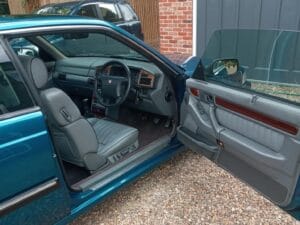
1997 Rover 820 Vitesse Coupé
1998 Rover 820 Vitesse Coupé
1996 Rover 820 Vitesse Fastback
1993 Rover 820 Vitesse Fastback
1999 Rover 820 Vitesse Fastback
1994 Rover 820 Vitesse Fastback
1998 Rover 820 Vitesse Saloon
1993 Rover 820 Vitesse Fastback
1999 Rover 820 Vitesse Fastback
1994 Rover 820 Vitesse Sport Saloon
1997 Rover 820 Vitesse Fastback
1997 Rover 820 Vitesse Coupé
1997 Rover 820 Vitesse Coupé
1997 Rover 820 Vitesse Fastback
1995 Rover 820 Vitesse Fastback (aka “Thunderbird 2”)
Has been converted to automatic transmission. The interior was upgraded to one from a Sterling – electric seats, air conditioning etc. The exhaust is a PowerFlow from Performance 3000, and the turbo is kept in check with a Greddy Profec boost controller. He has an induction system and dump valve from Forge Motorsport
1998 Rover 820 Vitesse Saloon
1996 Rover 820 Vitesse Fastback
1998 Rover 820 Vitesse Coupé
1994 Rover 820 Vitesse Saloon
2000 Rover 820 Vitesse Fastback
1997 Rover 820 Vitesse Coupé
1996 Rover 820 Vitesse Fastback
1998 Rover 820 Vitesse Coupé
1997 Rover 820 Vitesse Coupé
1996 Rover 820 Vitesse Fastback
1999 Rover 820 Vitesse Fastback
1994 Rover 820 Vitesse Sport Saloon
1999 Rover 820 Vitesse Fastback
1997 Rover 820 Vitesse Coupé
1996 Rover 820 Vitesse Sport Saloon
1999 Rover 820 Vitesse Fastback
1997 Rover 820 Vitesse Saloon
1999 Rover 820 Vitesse Fastback
1995 Rover 820 Vitesse Sport Fastback
1999 Rover 820 Vitesse Saloon
Rover 820 Vitesse Sport Fastback
1999 Rover 820 Vitesse Fastback
1993 Rover 820 Vitesse Fastback
1996 Rover 820 Vitesse Sport Fastback
1994 Rover 820 Vitesse Fastback
1996 Rover 820 Vitesse Sport Saloon
Rover 820 Vitesse Fastback
1995 Rover 820 Vitesse Saloon
Rover 820 Vitesse Saloon
Rover 820 Vitesse Saloon
Rover 820 Vitesse Coupé
Rover 820 Vitesse Coupé
Rover 820Ti Saloon (France)
Rover 820 Vitesse Fastback