

Rover 827 Sterling Saloon
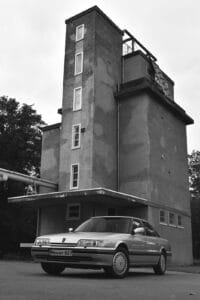
1990 Rover 827 Sterling Saloon
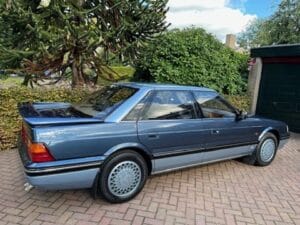
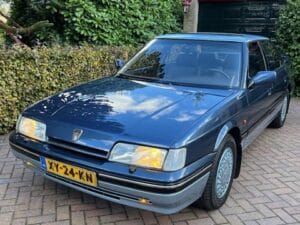
Rhonda the 1990 Rover 827 Sterling Auto Saloon

1991 Rover 827 Vitesse Fastback
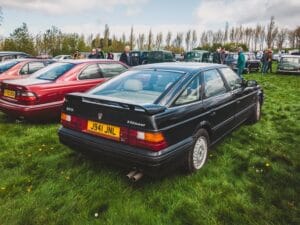
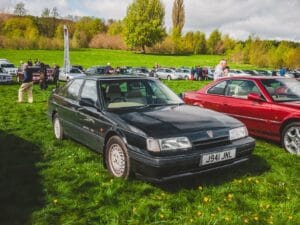
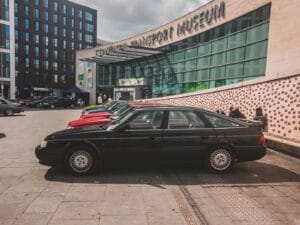
1990 Rover 827Si Auto Fastback
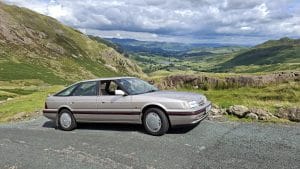
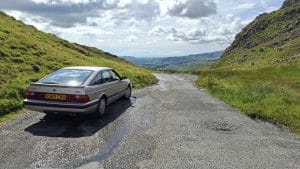
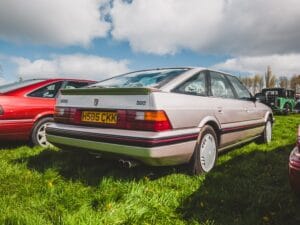
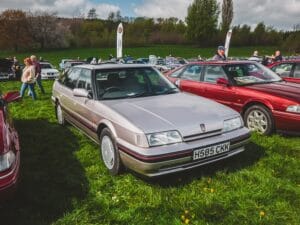
1990 Rover 827 Vitesse Fastback
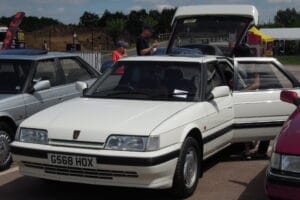
1989 Rover 827 Vitesse Fastback

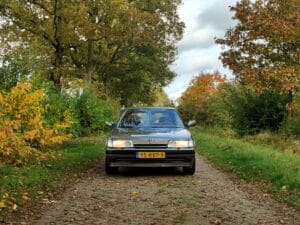
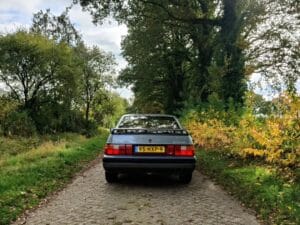
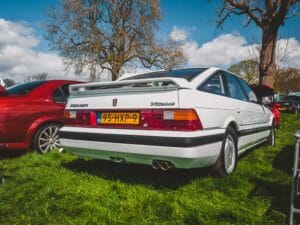
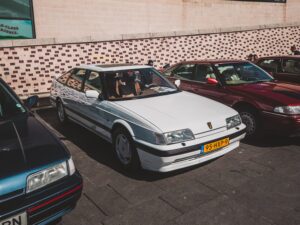
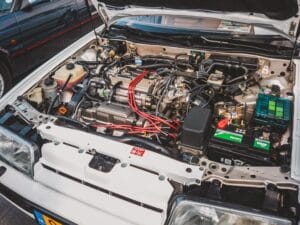
1990 Rover 827 Vitesse Auto Fastback
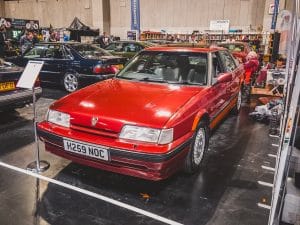
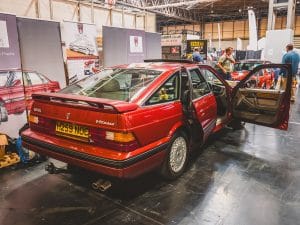
1990 Rover 827Si Auto Fastback
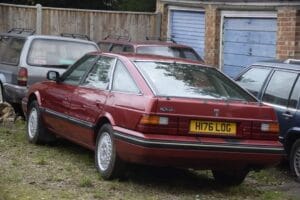
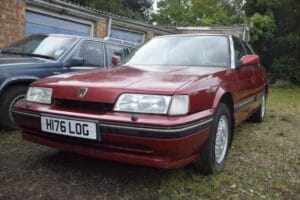
1991 Rover 827SLi Manual Saloon
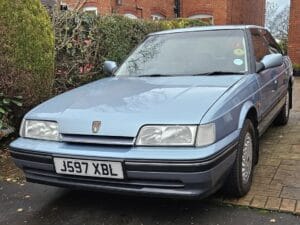
1991 Rover 827 Vitesse Auto Fastback
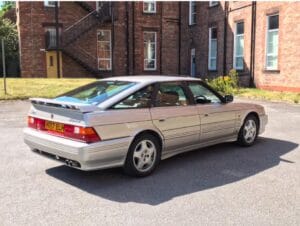
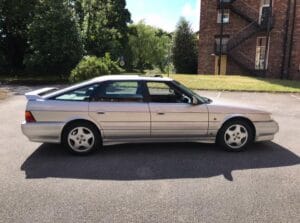
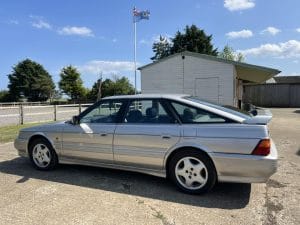
Rover 827 Vitesse Fastback (New Zealand)
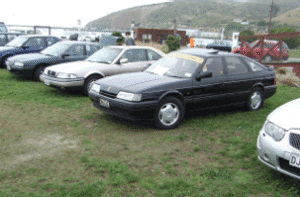
1991 Rover 827SLi Auto Saloon
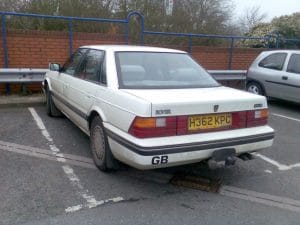
1989 Rover 827 Sterling Saloon
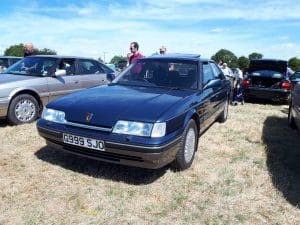
Rover 827 Mk1 (Honda V6)
With the discontinuation of the 825 in February 1988 (see 825 Honda V6 page), the brand new 827 emerged powered by an upgraded 2.7 litre version of the 825’s V6 all-alloy engine (C27A) which Honda developed after having faced pressure from the British to provide an engine with improved torque. The main difference of the C27A was the addition of a variable inlet manifold which was already in use on the Japanese market Honda Legend’s 2.0 C20A V6 engine (see Honda Legend page). The C27A provided the improved torque and acceleration which the British has been asking for, greatly improving the quality of driving. Automatic transmission was standard on 827 models, but manual was available as a no-cost option. The C27A allowed the manual 827 to reach up to 173bhp while the automatic could give 167bhp. The automatic 827s used Honda’s EAT gearbox which had an electronic control system and sport mode.
The 827Si was new to the Honda engine 800 range providing an 827 with the same equipment as the 820Si/Se models to give a more budget friendly V6 choice for buyers. The 827Si did not feature the chrome grille strip from the 825i & 825 Sterling.
The 827SLi was introduced sharing the same specification as its 825i predecessor which included a self-levelling rear suspension, rear seats which could be separately adjusted, body-coloured mirrors, leather steering wheel, rear interior lights, headlamp washers, a tinted sun strip, electrically controlled sunroof, vehicle map, and trip computer. The doors and fascia included Rover’s signature burr walnut veneers, and the wheels were steel.
The Sterling persisted, now as the 827 Sterling featuring new cross-spoke alloys. The 827 Sterling was available as a non-catalyst or catalyst (optional extra) model. As with the 825 Sterling, Connolly leather seats, ABS, aircon and cruise control were all standard on the 827 Sterling.
When it arrived on the market the 827 sterling was available in Atlantic Blue, Azure Blue Metallic, Burgundy Red, Lynx Bronze Metallic, Pulsar Silver, Shantung Gold Metallic, Silver Leaf Metallic, Stone Grey, Strata Grey, Metallic, Targa Red and White Diamond. The 827Si & SLI were available in all of these colours + Black.
May 1988 saw the introduction of a hatchback body style. The hatchback was dubbed as a “fastback” by Rover to avoid connotations of smaller hatchback cars. The 827Si was available in both saloon and fastback while the 827SLi & Sterling were only made as saloons. The fastback had foldable rear seats, a rear parcel shelf and electric boot release.
To complement the luxury Sterling saloon a performance flagship 827 “Vitesse” was introduced as the top spec fastback. The Vitesse featured Rover sports alloys, rear and front spoiler, rear arch spats, an uprated sports suspension (with thicker roll bars & gas dampers) [this was also available as an option for the 827Si fastback], Bosch ABS, trip computer, leather steering wheel, electrically controlled sunroof, and electric adjustment for the driver’s seat. The Vitesse was distinguished by all-black bumper inserts and trim along the sides of the car and lightning-flash interior upholstery pattern. It was available as a manual and automatic with the manual Vitesse reaching a Top speed of 140mph and 0-60 in 7.6 seconds compared to 135mph and a 0-60 of 8.5s on the automatic. The Vitesse was available exclusively with flint interior and a paint colour of Targa Red, Pulsar Silver, Stone Grey, or Black.
In 1989 electrically adjustable seats and rear headrests became standard on the SLi and Vitesse, the Vitesse gaining leather upholstery as a paid extra. The Sterling now had an anti-theft alarm by default. Catalytic converters became standard on the 827 Sterling. In April, the aircon system was upgraded with Automatic Temperature Control, and in June catalytic converters were added as an option on all models. Catalyst 800s had a different fuel filler neck pipework which featured a charcoal canister and was narrower which only enabled insertion of unleaded fuel pumps. The Vitesse was now available in Atlantic Blue Metallic, Black, British Racing Green Metallic, Cherry Red Pearlescent Mica-tallic, Flame Red, Pulsar Silver, Stone Grey and White Diamond. Azure Blue Metallic, Lynx Bronze Metallic, Oyster Beige and Steel Grey Metallic were also available for other models.
In 1990 “24V” badges were added to the boot of all 827s and the 827SLI’s self-levelling rear suspension became an option rather than standard. Glass now had a green tint, rather than the bronze seen on earlier models.
In 1991 the gunmetal grey lower body strip was added to the 827SLi along with ATC aircon and ABS as standard. The 827SLi was could now also be obtained in the fastback body but did not have the gunmetal strip. Leather seats were now a standard for the Vitesse with the front being heated. Stereos were upgraded, the 827Si now featured a Phillips R681, R682 on the 820SLi, and R684 on the Sterling & Vitesse. All models were available in Black, British Racing Green Metallic, Flame Red, Caribbean Blue Pearlescent, NightFire Red Pearlescent, Quicksilver Metallic, Storm Grey Metallic and White Diamond. Amethyst Metallic, Atlantic Blue Metallic, Cranberry Red, Midnight Blue, and Nordic Blue Metallic could be chosen for all 1991 models besides the Vitesse.
The 827 Vitesse didn’t quite manage to live up to the performance expectations buyers were hoping for and hence Rover developed the 820 Turbo with the help of Tickford (see 820 Tickford Turbo page) launched in 1991 as a stopgap in the lead up to the Mk2 Rover 800’s 1992 Launch (see Mk2 page). With the 1992 series 2, the Rover 827 continued production in its new appearance, and so did it’s Honda V6 C27A engine (see 827 Mk2 page).
If you’re not already a member of the Club, please consider joining to help us secure the future of these cars by enabling us to fund remanufacture of crucial and MOT failure parts with prohibitively high development costs/minimum order quantities. Any owners & enthusiasts of these cars are welcome to join the Club (click here).
If any of this information is incorrect, or if you have any information or photos which could improve this page, please contact R600800web@outlook.com
1989 Rover 827Si Auto Fastback
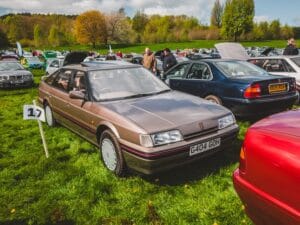
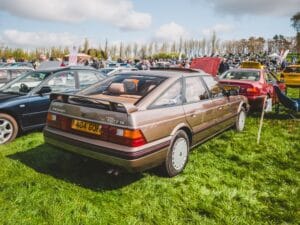
1988 Rover 827 Sterling Auto Saloon
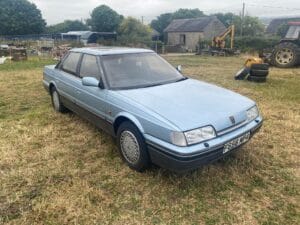
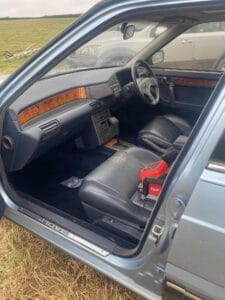
John the 1991 Rover 827SLi Saloon
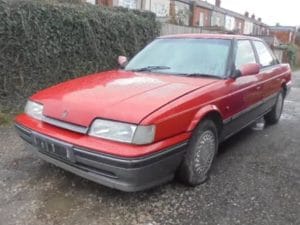
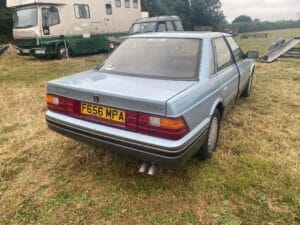
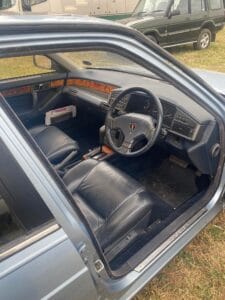
1990 Rover 827 Sterling Saloon
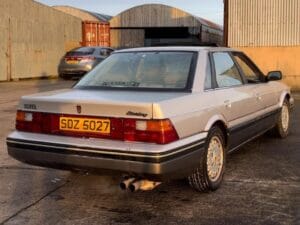
1991 Rover 827 Vitesse Fastback
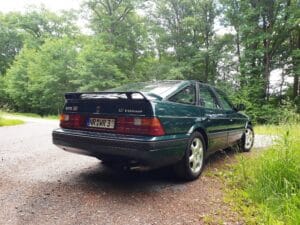
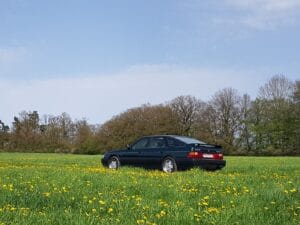
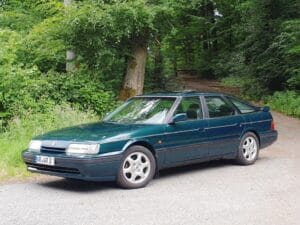
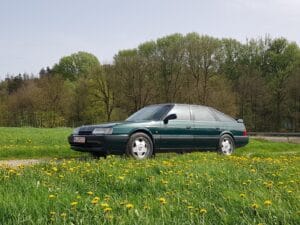
1989 Rover 827 Vitesse Fastback
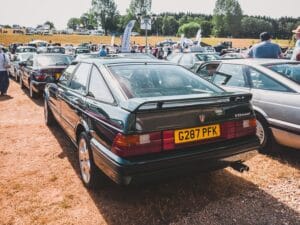
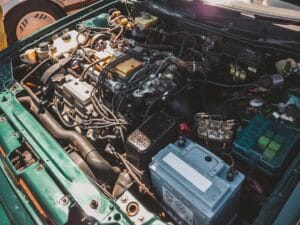
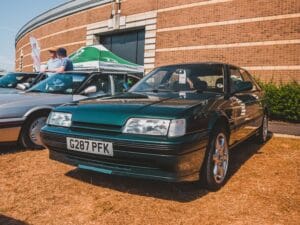
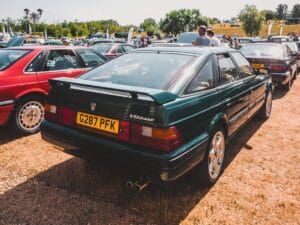
1990 Rover 827 Vitesse Auto Fastback & Leyland P76
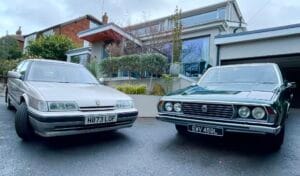
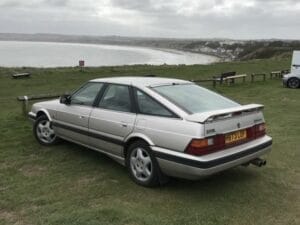
1990 Rover 827 Vitesse Fastback
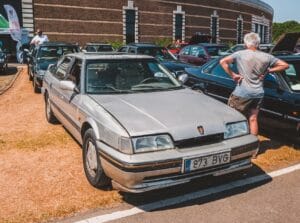
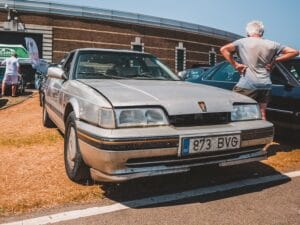
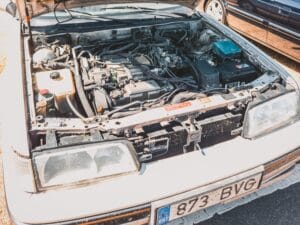
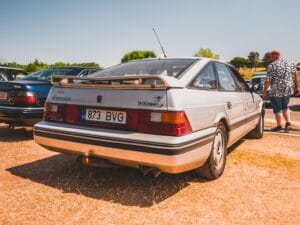
1989 Rover 827 Sterling Auto Saloon
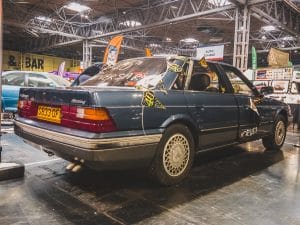
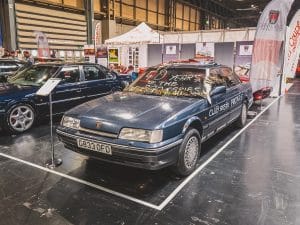
1990 Rover 827 Vitesse Auto Fastback
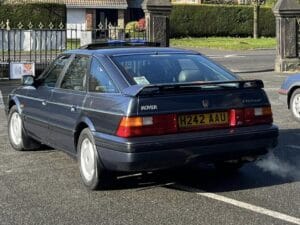
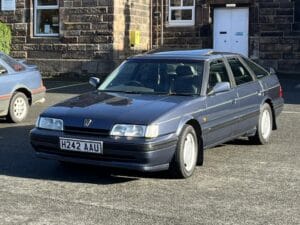
1990 Rover 827 Sterling Auto Saloon
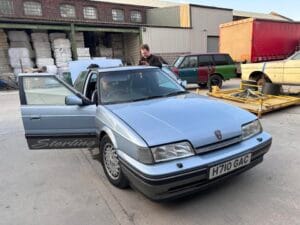
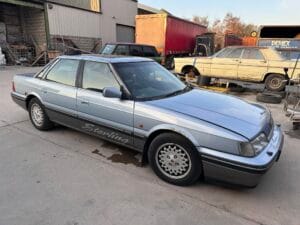
1989 Rover 827 Vitesse Auto Fastback
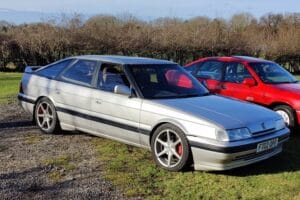
1990 Rover 827Si Auto Fastback
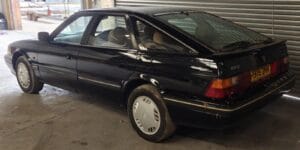
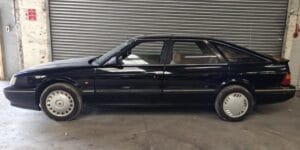
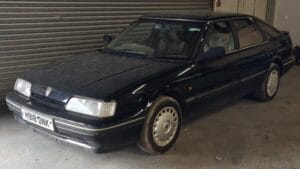
1990 Rover 827 Sterling Saloon
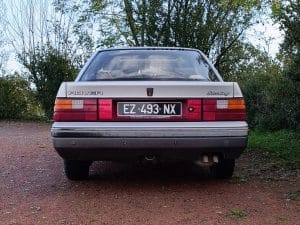
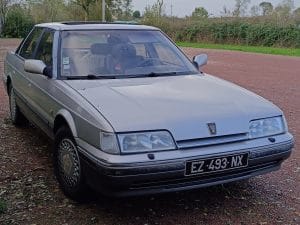
Rover 827 Vitesse Fastback
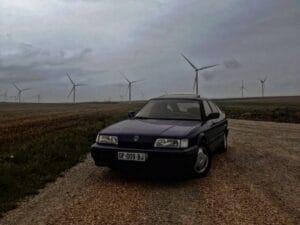
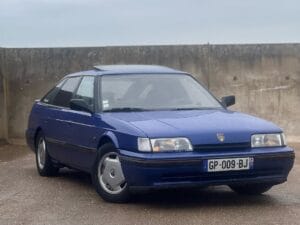
1991 Rover 827 Vitesse Fastback
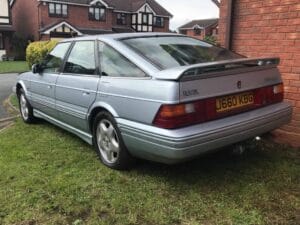
1990 Rover 827 Sterling Saloon & Rover 827 Vitesse Auto Fastback
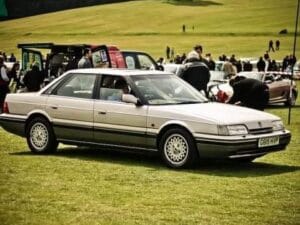
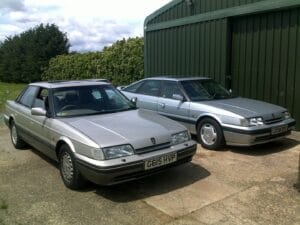
1991 Rover 827 Vitesse Auto Fastback
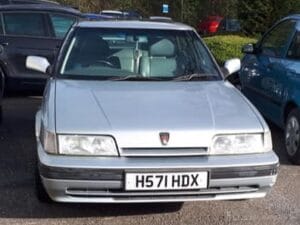
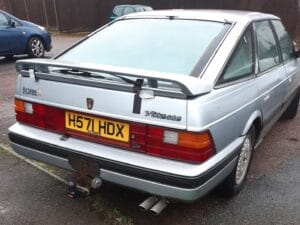
1991 Rover 827SLi Auto Fastback
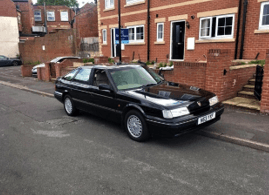
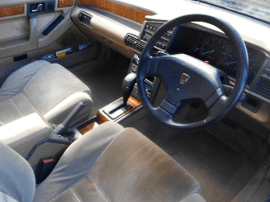
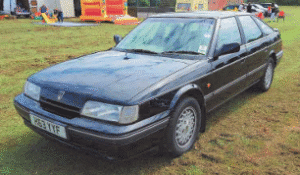
Rover 827Si Fastback
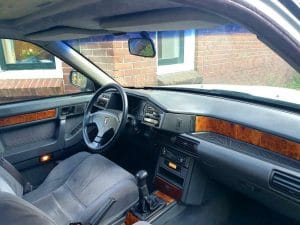
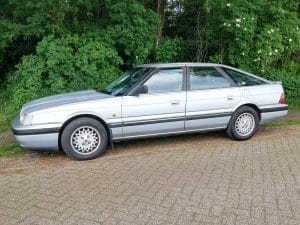
1988 Rover 827 Vitesse Fastback
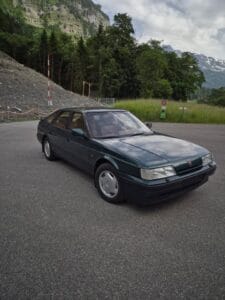
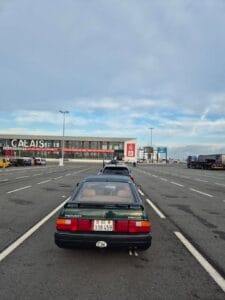
1991 Rover 827 Sterling Oxford Edition Saloon with original Rover boot lid trunk
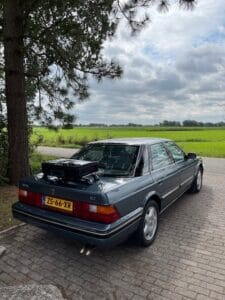
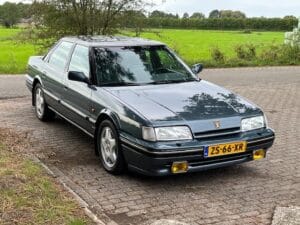
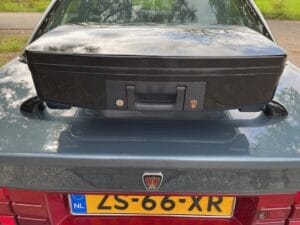
Rover 827 Vitesse Fastback
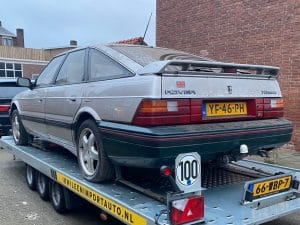
1990 Rover 827i Auto Fastback
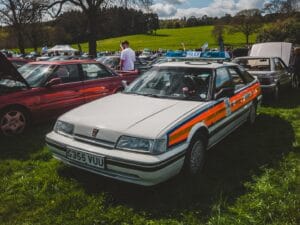
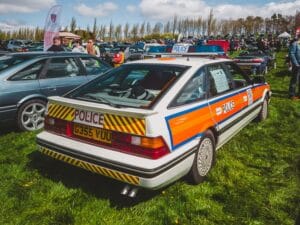
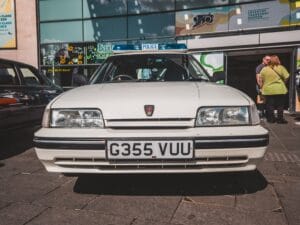
1991 Rover 827Si Auto Saloon
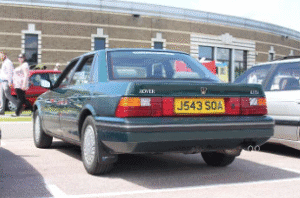
1990 Rover 827Si Auto Fastback
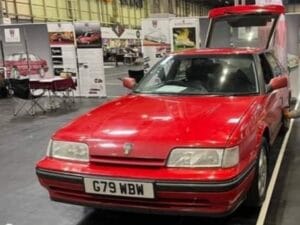
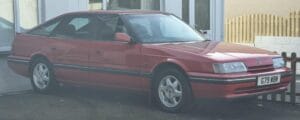
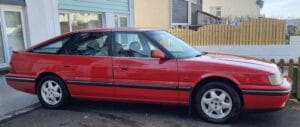
1991 Rover 827 Vitesse Auto Fastback
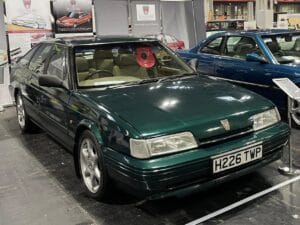
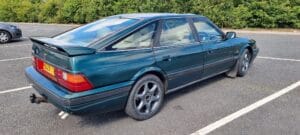
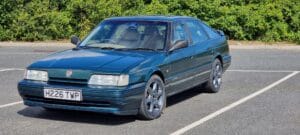
1989 Rover 827Si Auto Saloon
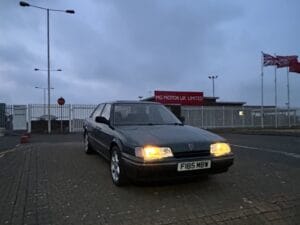
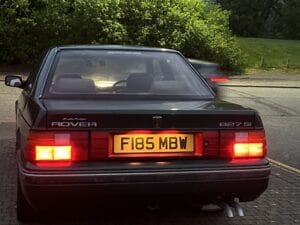
March 1988 Rover 827 Sterling Saloon
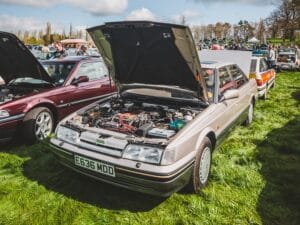
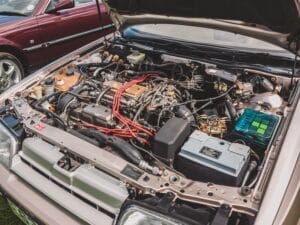
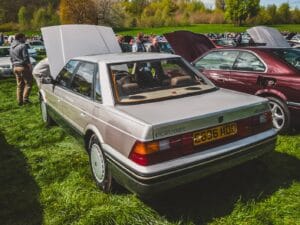
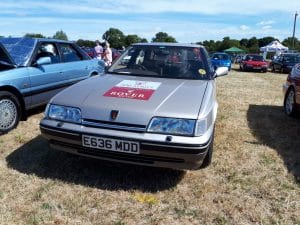
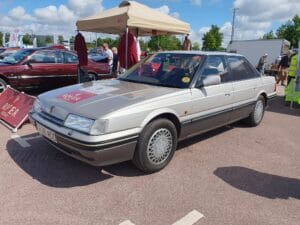
1989 Rover 827 Vitesse
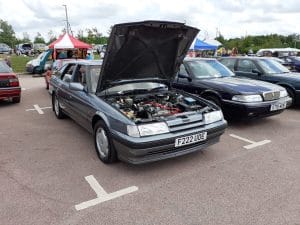
1991 Rover 827 Sterling Auto Saloon
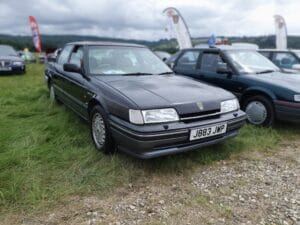
1990 Rover 827 Sterling Auto Saloon
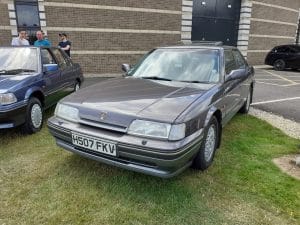
Rover 827 Fastback
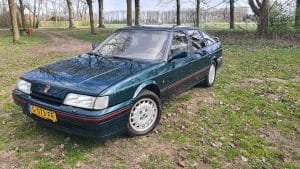
Rover 827 Mk1 (Honda V6)
With the discontinuation of the 825 in February 1988 (see 825 Honda V6 page), the brand new 827 emerged powered by an upgraded 2.7 litre version of the 825’s V6 all-alloy engine (C27A) which Honda developed after having faced pressure from the British to provide an engine with improved torque. The main difference of the C27A was the addition of a variable inlet manifold which was already in use on the Japanese market Honda Legend’s 2.0 C20A V6 engine (see Honda Legend page). The C27A provided the improved torque and acceleration which the British has been asking for, greatly improving the quality of driving. Automatic transmission was standard on 827 models, but manual was available as a no-cost option. The C27A allowed the manual 827 to reach up to 173bhp while the automatic could give 167bhp. The automatic 827s used Honda’s EAT gearbox which had an electronic control system and sport mode.
The 827Si was new to the Honda engine 800 range providing an 827 with the same equipment as the 820Si/Se models to give a more budget friendly V6 choice for buyers. The 827Si did not feature the chrome grille strip from the 825i & 825 Sterling.
The 827SLi was introduced sharing the same specification as its 825i predecessor which included a self-levelling rear suspension, rear seats which could be separately adjusted, body-coloured mirrors, leather steering wheel, rear interior lights, headlamp washers, a tinted sun strip, electrically controlled sunroof, vehicle map, and trip computer. The doors and fascia included Rover’s signature burr walnut veneers, and the wheels were steel.
The Sterling persisted, now as the 827 Sterling featuring new cross-spoke alloys. The 827 Sterling was available as a non-catalyst or catalyst (optional extra) model. As with the 825 Sterling, Connolly leather seats, ABS, aircon and cruise control were all standard on the 827 Sterling.
When it arrived on the market the 827 sterling was available in Atlantic Blue, Azure Blue Metallic, Burgundy Red, Lynx Bronze Metallic, Pulsar Silver, Shantung Gold Metallic, Silver Leaf Metallic, Stone Grey, Strata Grey, Metallic, Targa Red and White Diamond. The 827Si & SLI were available in all of these colours + Black.
May 1988 saw the introduction of a hatchback body style. The hatchback was dubbed as a “fastback” by Rover to avoid connotations of smaller hatchback cars. The 827Si was available in both saloon and fastback while the 827SLi & Sterling were only made as saloons. The fastback had foldable rear seats, a rear parcel shelf and electric boot release.
To complement the luxury Sterling saloon a performance flagship 827 “Vitesse” was introduced as the top spec fastback. The Vitesse featured Rover sports alloys, rear and front spoiler, rear arch spats, an uprated sports suspension (with thicker roll bars & gas dampers) [this was also available as an option for the 827Si fastback], Bosch ABS, trip computer, leather steering wheel, electrically controlled sunroof, and electric adjustment for the driver’s seat. The Vitesse was distinguished by all-black bumper inserts and trim along the sides of the car and lightning-flash interior upholstery pattern. It was available as a manual and automatic with the manual Vitesse reaching a Top speed of 140mph and 0-60 in 7.6 seconds compared to 135mph and a 0-60 of 8.5s on the automatic. The Vitesse was available exclusively with flint interior and a paint colour of Targa Red, Pulsar Silver, Stone Grey, or Black.
In 1989 electrically adjustable seats and rear headrests became standard on the SLi and Vitesse, the Vitesse gaining leather upholstery as a paid extra. The Sterling now had an anti-theft alarm by default. Catalytic converters became standard on the 827 Sterling. In April, the aircon system was upgraded with Automatic Temperature Control, and in June catalytic converters were added as an option on all models. Catalyst 800s had a different fuel filler neck pipework which featured a charcoal canister and was narrower which only enabled insertion of unleaded fuel pumps. The Vitesse was now available in Atlantic Blue Metallic, Black, British Racing Green Metallic, Cherry Red Pearlescent Mica-tallic, Flame Red, Pulsar Silver, Stone Grey and White Diamond. Azure Blue Metallic, Lynx Bronze Metallic, Oyster Beige and Steel Grey Metallic were also available for other models.
In 1990 “24V” badges were added to the boot of all 827s and the 827SLI’s self-levelling rear suspension became an option rather than standard. Glass now had a green tint, rather than the bronze seen on earlier models.
In 1991 the gunmetal grey lower body strip was added to the 827SLi along with ATC aircon and ABS as standard. The 827SLi was could now also be obtained in the fastback body but did not have the gunmetal strip. Leather seats were now a standard for the Vitesse with the front being heated. Stereos were upgraded, the 827Si now featured a Phillips R681, R682 on the 820SLi, and R684 on the Sterling & Vitesse. All models were available in Black, British Racing Green Metallic, Flame Red, Caribbean Blue Pearlescent, NightFire Red Pearlescent, Quicksilver Metallic, Storm Grey Metallic and White Diamond. Amethyst Metallic, Atlantic Blue Metallic, Cranberry Red, Midnight Blue, and Nordic Blue Metallic could be chosen for all 1991 models besides the Vitesse.
The 827 Vitesse didn’t quite manage to live up to the performance expectations buyers were hoping for and hence Rover developed the 820 Turbo with the help of Tickford (see 820 Tickford Turbo page) launched in 1991 as a stopgap in the lead up to the Mk2 Rover 800’s 1992 Launch (see Mk2 page). With the 1992 series 2, the Rover 827 continued production in its new appearance, and so did it’s Honda V6 C27A engine (see 827 Mk2 page).
If you’re not already a member of the Club, please consider joining to help us secure the future of these cars by enabling us to fund remanufacture of crucial and MOT failure parts with prohibitively high development costs/minimum order quantities. Any owners & enthusiasts of these cars are welcome to join the Club (click here).
If any of this information is incorrect, or if you have any information or photos which could improve this page, please contact R600800web@outlook.com
Rover 827Si Fastback
1989 Rover 827Si Auto Fastback
Rover 827 Sterling Saloon
1990 Rover 827 Vitesse Fastback
1991 Rover 827 Vitesse Fastback
1988 Rover 827 Vitesse Fastback
1988 Rover 827 Sterling Auto Saloon
John the 1991 Rover 827SLi Saloon
1991 Rover 827 Sterling Oxford Edition Saloon with original Rover boot lid trunk
Rhonda the 1990 Rover 827 Sterling Auto Saloon
1990 Rover 827Si Auto Fastback
1989 Rover 827 Vitesse Fastback
1990 Rover 827i Auto Fastback
1991 Rover 827 Vitesse Fastback
1989 Rover 827Si Auto Saloon
Rover 827 Vitesse Fastback
1990 Rover 827 Sterling Saloon
1989 Rover 827 Vitesse Fastback
1990 Rover 827Si Auto Fastback
1990 Rover 827 Vitesse Auto Fastback
1991 Rover 827 Vitesse Auto Fastback
1989 Rover 827 Sterling Auto Saloon
March 1988 Rover 827 Sterling Saloon
1991 Rover 827Si Auto Saloon
1990 Rover 827 Vitesse Fastback
Rover 827 Fastback
1990 Rover 827 Sterling Saloon
Rover 827 Vitesse Auto Fastback
1990 Rover 827 Vitesse Auto Fastback
1990 Rover 827Si Auto Fastback
1990 Rover 827 Sterling Auto Saloon
1991 Rover 827 Vitesse Auto Fastback
1991 Rover 827 Vitesse Auto Fastback
1991 Rover 827SLi Manual Saloon
1990 Rover 827Si Auto Fastback
1990 Rover 827 Vitesse Auto Fastback & Leyland P76
1991 Rover 827 Vitesse Fastback
1989 Rover 827 Sterling Saloon
1990 Rover 827 Sterling Saloon
Rover 827 Vitesse Fastback
1990 Rover 827 Sterling Saloon & 1991 Rover 827 Vitesse Auto Fastback
1991 Rover 827SLi Auto Saloon
1991 Rover 827SLi Auto Fastback
Rover 827 Vitesse Fastback (New Zealand)
1989 Rover 827 Vitesse
1990 Rover 827 Sterling Auto Saloon
1991 Rover 827 Sterling Auto Saloon